

ADVANCING TRANSFORMATIVE POLICY
Tribal Sovereignty is Climate Justice.
The United Nations and NASA have publicly voiced the critical importance of including Indigenous voices in reaching global climate-related goals. Understanding traditional ecological knowledge is vital for solving environmental challenges. Ensuring that the first peoples of our land — the Wabanaki — can remain sovereign in their rights to steward their ancestral homelands, practice their culture, and exercise independence within each of their tribal nations is climate justice.
About the Wabanaki Policy Youth Initiative
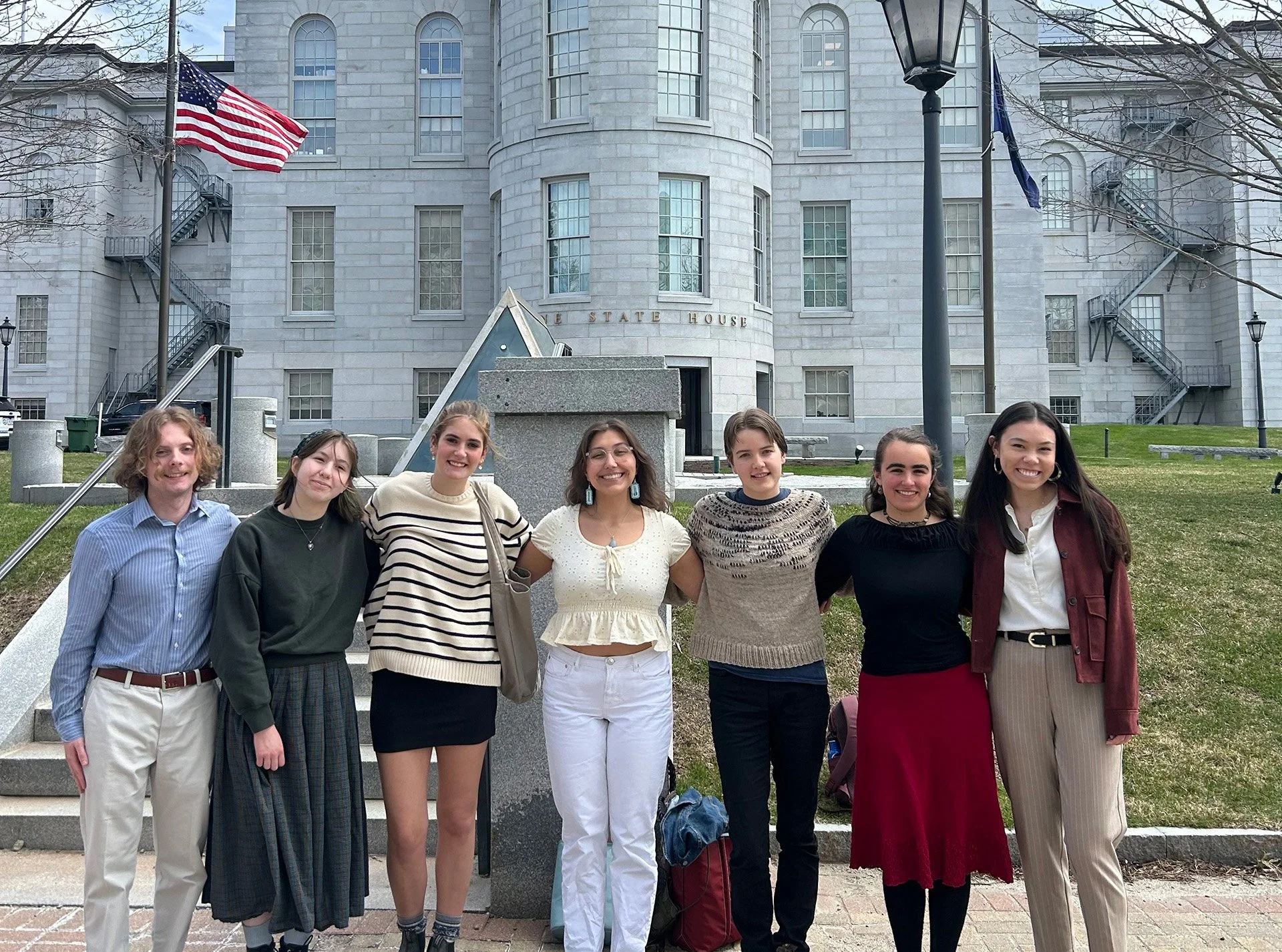
WPYI uplifts the next generation of youth leaders in what is now called Maine to take action for Wabanaki studies education and Wabanaki sovereignty.
Over the course of the 2026 legislative session, Maine Environmental Education Association and the Wabanaki Alliance will support a team of Wabanaki and non-Native youth ages 16-24 to learn about the lawmaking process and how to become an advocate in their state legislature.
Self-determination in Action for Wabanaki Youth

-
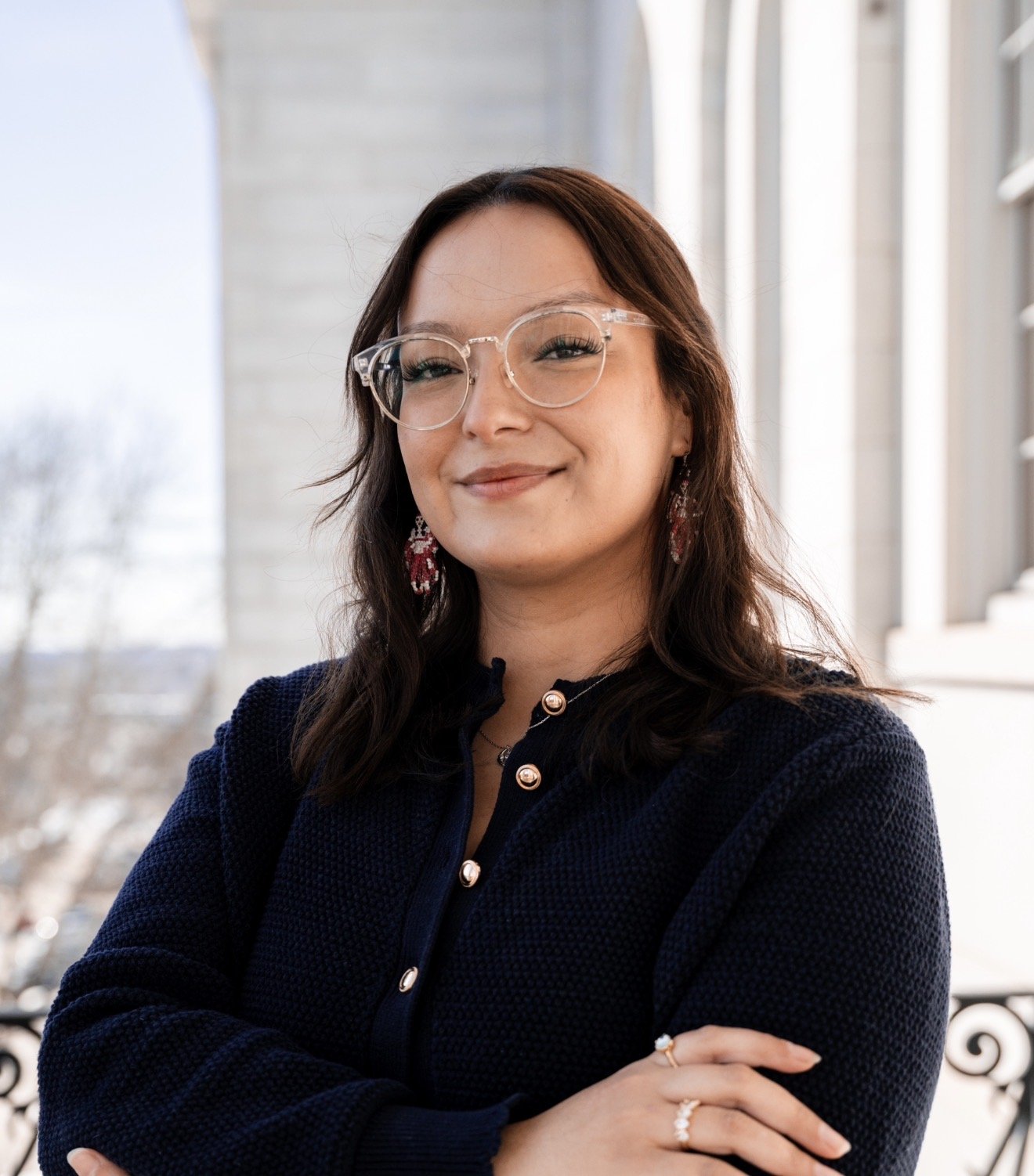
Ella Bither is a citizen of the Houlton Band of Maliseets and current student at Orono High School. She is an involved member of both of her communities, in Houlton and on Indian Island, and she is proud to be a part of Team Penobscot Canoeing, competing up to the national level alongside other Indigenous youth. WPYI is Ella's first experience with policy, and she is excited to grow her skills while advocating for a better future for her friends and family.
WABANAKI PROJECT COORDINATORS

-
Sage Phillips (she/her) is a citizen of the Penobscot Nation and proud Wabanaki woman. She was recently named the first ever Communications and Community Engagement Coordinator with the Wabanaki Alliance after previously serving in two fellowships with the organization in the Fall of 2025 and Summer of 2023.
A graduate of the University of Connecticut with a bachelor’s degree in political science and human rights and a master’s degree in human rights with a focus on Indigenous education rights, Sage has garnered national attention and praise for her leadership skills and passion for working for tribal issues. She was named a 2021 Truman and Udall Scholar, a 2024 Champion for Change Fellow, and recently served as the Vice Chair of the Center for Native American Youth’s Youth Advisory Board.
While a leader in her own right, Sage also brings a depth of family experience and perspective to her work with tribal rights and advocacy. She is the granddaughter of Reuben “Butch” Phillips who made his journey to the ancestors this summer after a long life of service to the Penobscot Nation and the Wabanaki Confederacy as an elected official, cultural leader, and foundational figure in the tribe’s history and identity.
She strives to carry on his legacy of leadership through working with youth who are excited about policy, governance, and sovereignty. As such, she joins Panawahpskek citizen Kaya Lolar in co-leading the Wabanaki Policy Youth Initiative, the first of its kind that teaches Wabanaki and non-Wabanaki youth about policy, advocacy, and tribal-state relations.
WABANAKI YOUTH LEADS
-
Malleah Brown is a member of the Passamaquoddy Tribe at Motahkomikuk and is dedicated to serving her community. She is inspired by the legacy of her late grandmother, Annette Sockabasin, a strong advocate for the Wabanaki people. Following her grandmother’s example, Malleah hopes to use her voice to advocate for justice, strengthen her community, and empower Wabanaki people while honoring the resilience of those who came before her.
-
Kaya Lolar is the Director of Policy & Wabanaki Studies at MEEA and a citizen of the Panawahpskek Nation. She started at MEEA in 2023 as a Changemakers Fellow and has since graduated from Harvard University in 2025 with a Bachelor of Arts in Social Anthropology and English. Kaya has spent many years actively working towards the implementation of a strong Wabanaki Studies education in all schools across what is now called Maine, building curriculum, leading workshops, and collaborating with educators and advisors. Her professional work now falls at the intersection of education and policy, where she strives to strengthen environmental education for all youth.
-
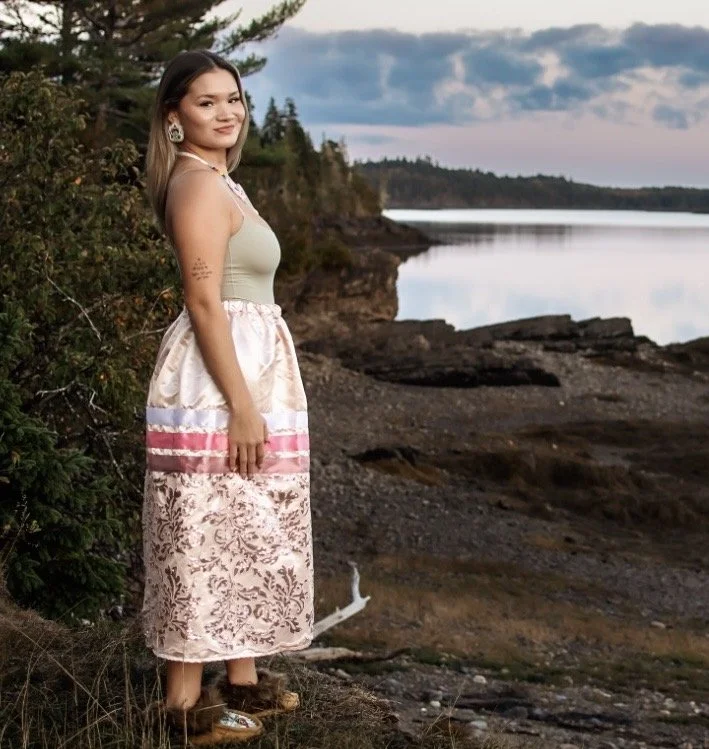
Emma Soctomah is a Passamaquoddy citizen from Motahkomikuk who comes from a distinguished lineage of strong women. Their leadership and example continue to inspire her commitment to serving her community through both her professional work and civic engagement. Emma seeks to honor the strength and legacy of the women who shaped her, as well as those who came before them, by contributing to the advancement and well-being of the Wabanaki.
Circles of Support
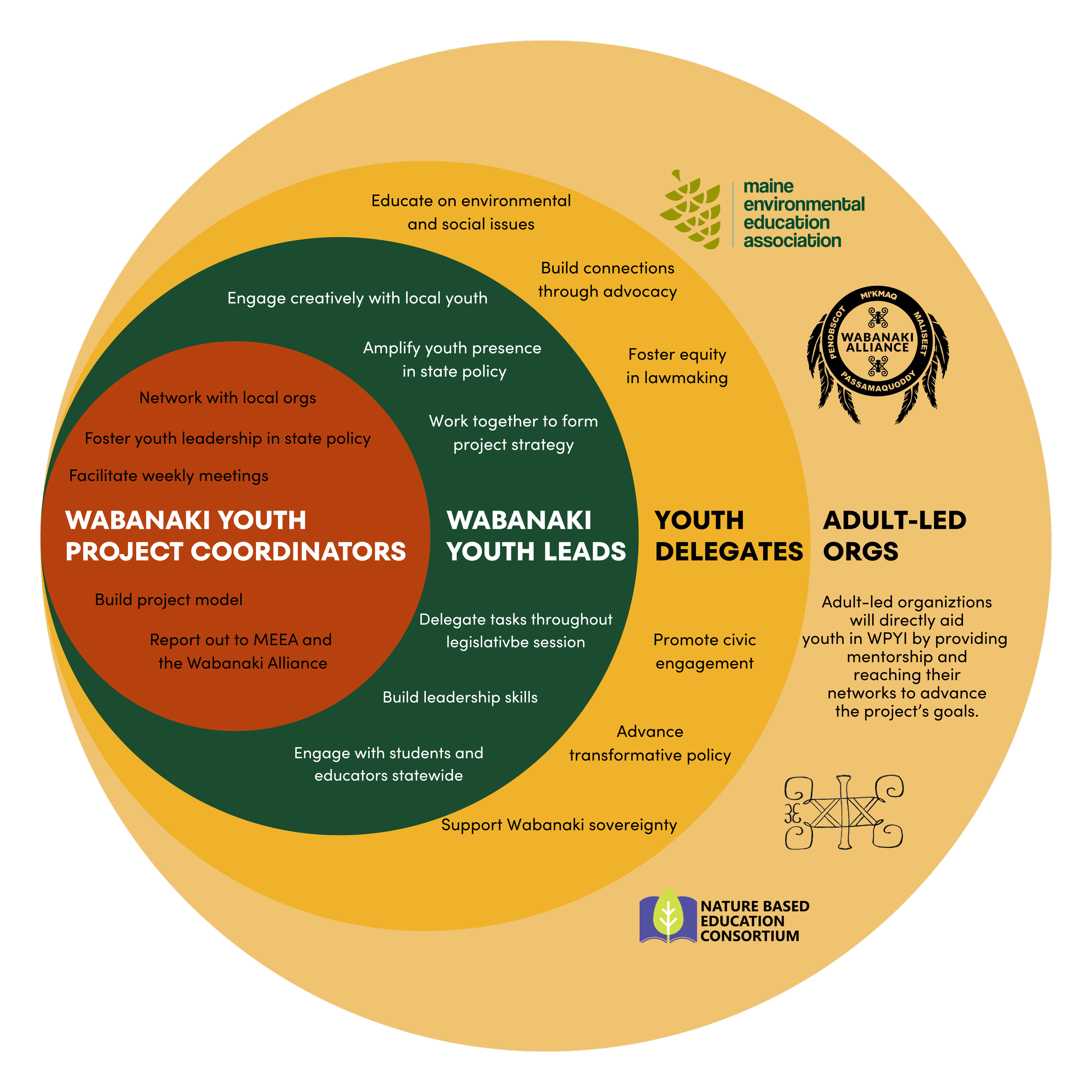
The WPYI circles of support include Wabanaki Project Coordinators Kaya Lolar and Sage Phillips, and six Wabanaki Youth Leads (ages 16-24). Together, this team of Wabanaki youth will assist in facilitating a circle of Youth Delegates (ages 16-24) who will be exposed to the lawmaking process in what is now called Maine. They’ll learn the ins and outs of becoming an advocate in the state legislature, and will then be able to share these newly learned skills with other youth in their communities and beyond.
All three youth circles will be supported by MEEA and the Wabanaki Alliance as adult-led organizations providing mentorship in policy and advocacy.
-
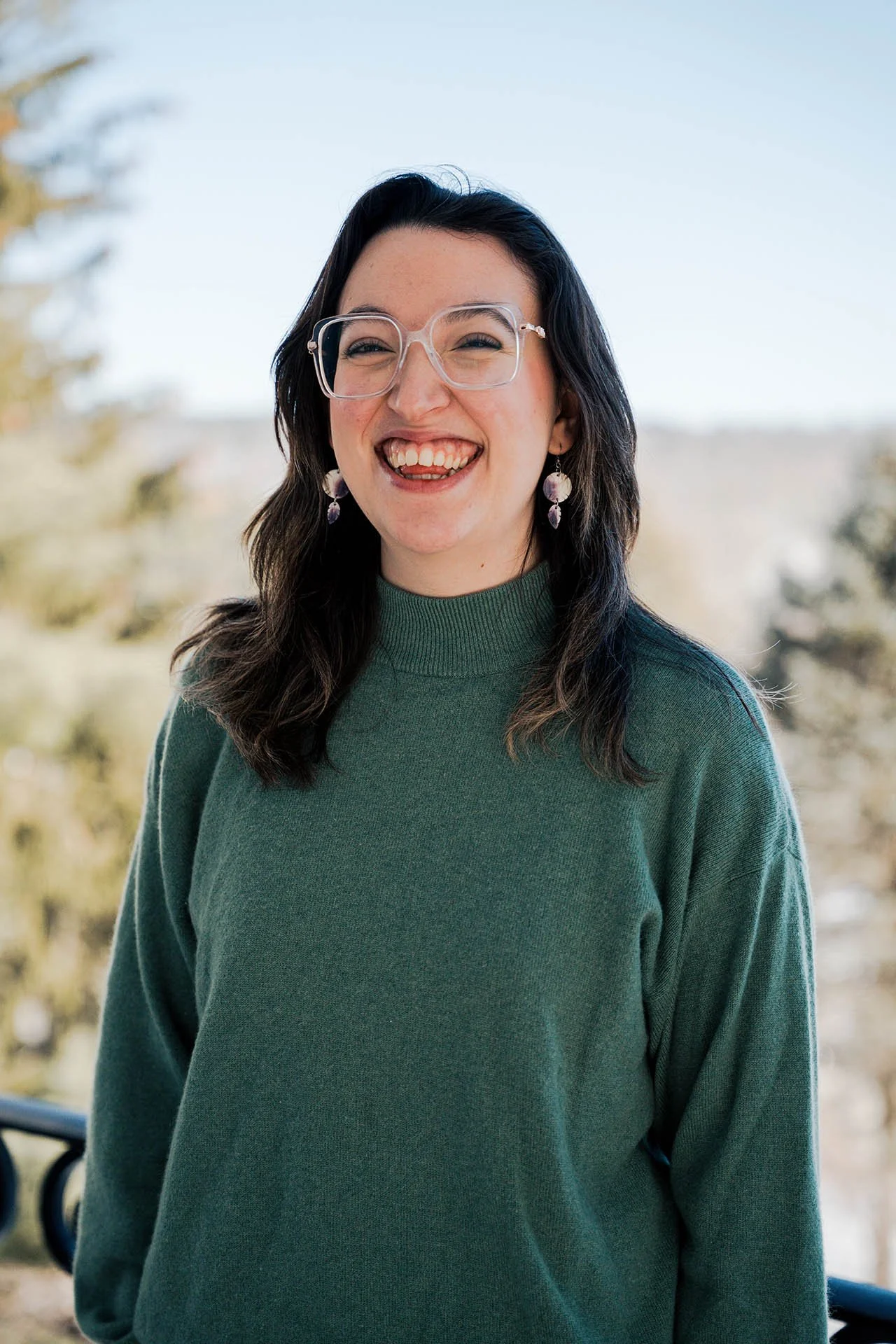
Mak Thompson (they/them) is a citizen of the Mi'kmaq Nation and is a recent graduate from University of Maine with a Bachelor of Arts in Political Science and Women's, Gender & Sexuality Studies. Mak is an advocate involved in Community Water Justice and recently spent time as an intern with Niweskok: From Seeds to Stars working on a project about Wabanaki Food Systems. Mak is passionate about creating a welcoming and safe community where culture can thrive and live on for generations to come. They hope their journey as a Youth Lead will inspire other youth to learn more about Wabanaki issues.
YOUTH DELEGATES
Participants in the Youth Circles will:
Learn how to track legislation, call your legislators, and write testimony
Gain civic engagement, leadership, and public speaking skills
Creatively share these skills with other youth and educate the public on these issues and what they mean for Wabanaki sovereignty.
Meet with Wabanaki policy professionals and legislators
Experience career development in civics
What bills will we be learning about?
LD 1474, An Act to Strengthen the Teaching of Wabanaki Studies in Maine Schools. Click here to read about this bill.
LD 395, a federal beneficial acts bill, involves a nuanced issue that, with proper legislative support, could be a significant step towards regaining financial sovereignty for the Wabanaki, as “all four of the tribes in Maine [are currently] stark economic under performers relative to the other tribes in the Lower 48 states.” (Source below)
LD 785, which aims to engage a task force based on recommendations from previously passed legislation that protects Wabanaki sovereignty. Bills like this ensure that the Wabanaki are not only allowed the capacity but are welcomed to the table where environmental solutions are built – a notion that holistically benefits all, including the land we all live on today.
Source: Kalt, Joseph P., Amy Besaw Medford, and Jonathan B. Taylor. "Economic and Social Impacts of Restrictions on the Applicability of Federal Indian Policies to the Wabanaki Nations in Maine." Harvard Project on American Indian Economic Development Research Report, December 2022.
Questions?
Do you have questions about the Wabanaki Policy Youth Initiative? Email Kaya Lolar, MEEA Policy and Wabanaki Studies Coordinator at kaya@meeassociation.org.
-
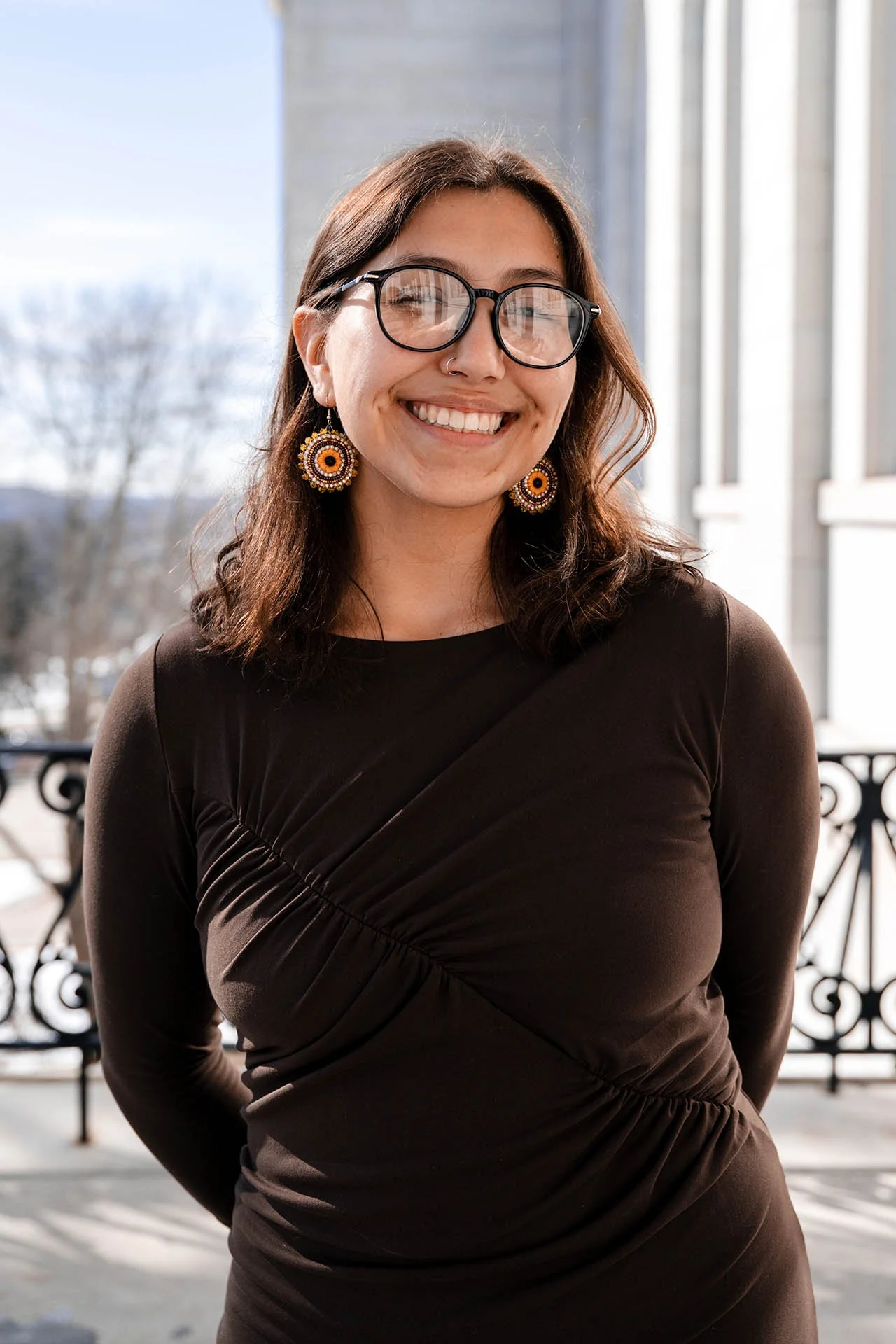
Carmella Bear is a 19-year-old member of the Penobscot Nation and a student at the University of Maine Orono majoring in political science. She plans on attending law school after my undergraduate. In 2019 when the “Not Your Mascot” bill became law, banning Indian mascots in schools in Maine, Carmella’s mom brought her to the ceremonial signing. After watching the tireless fight for this bill, we knew how important this law was to our people. Carmella’s mom showed me the real impact individuals can have. In Carmella’s senior year of high school, she participated in the Green Schools Network to strengthen Maine’s ecological education for public schools. She did many school projects on the Maine Indian Land Claims Settlement Act, which has provided her with a clear understanding of the importance of legal advocacy for tribes. Being involved in WPYI allows Carmella to support her people through connecting with, and educating other youth.
Sebastian April, Ruby Forde, Margaret (Neptune) Martin, Jamila Mohamed Ahmed, Roz O'Reilly, Elja Partridge, Dorothy Scott, Luke Sekera-Flanders, Vera Song, Bella Sturtevant, Trinity (Elle) Williams, and Will Lehan