


Participatory research
by youth, for youth in the Maine climate movement
The Listen Project empowers Maine youth to lead research on our own climate movement, uncover unmet needs, and channel findings into more inclusive advocacy and resource strategies. We surveyed 123 youth, interviewed 22 youth and adult allies, and surveyed seven youth climate organizations.
Our project aims to create a resilient, collaborative youth climate ecosystem that shapes policy and resources to support sustained, effective, and youth-led climate action in Maine.
What is it really like to be a young person trying to
engage in climate work in Maine right now?
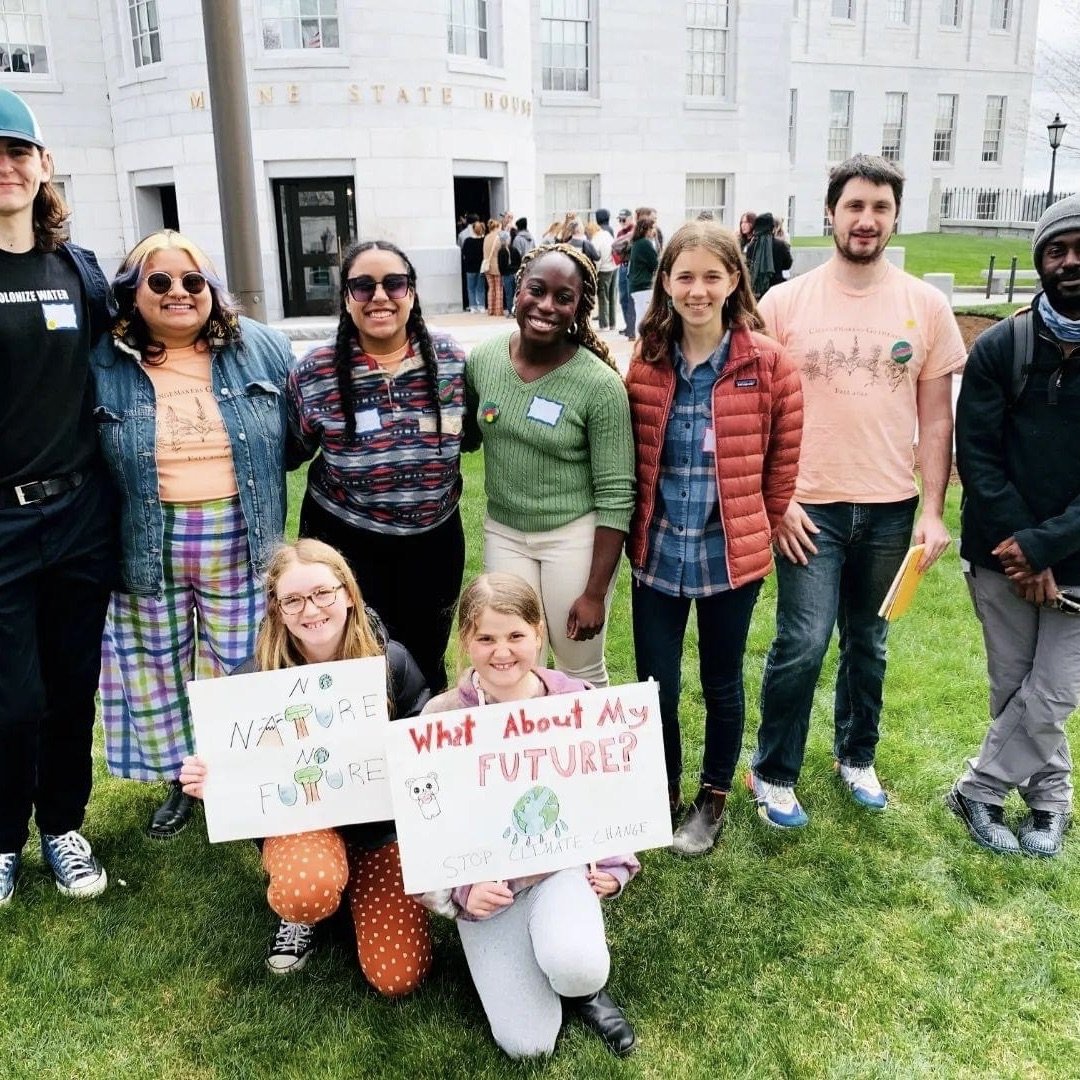
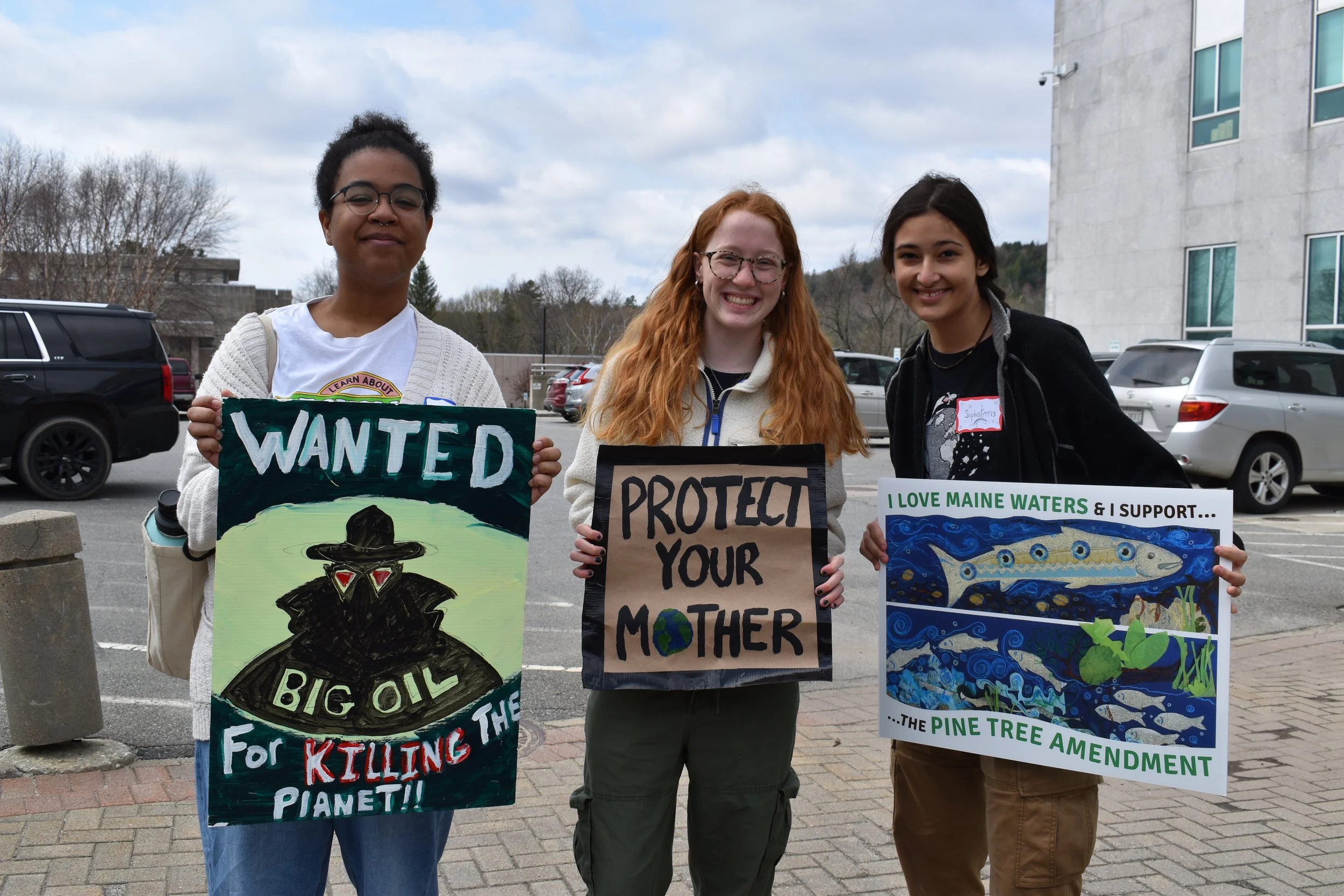
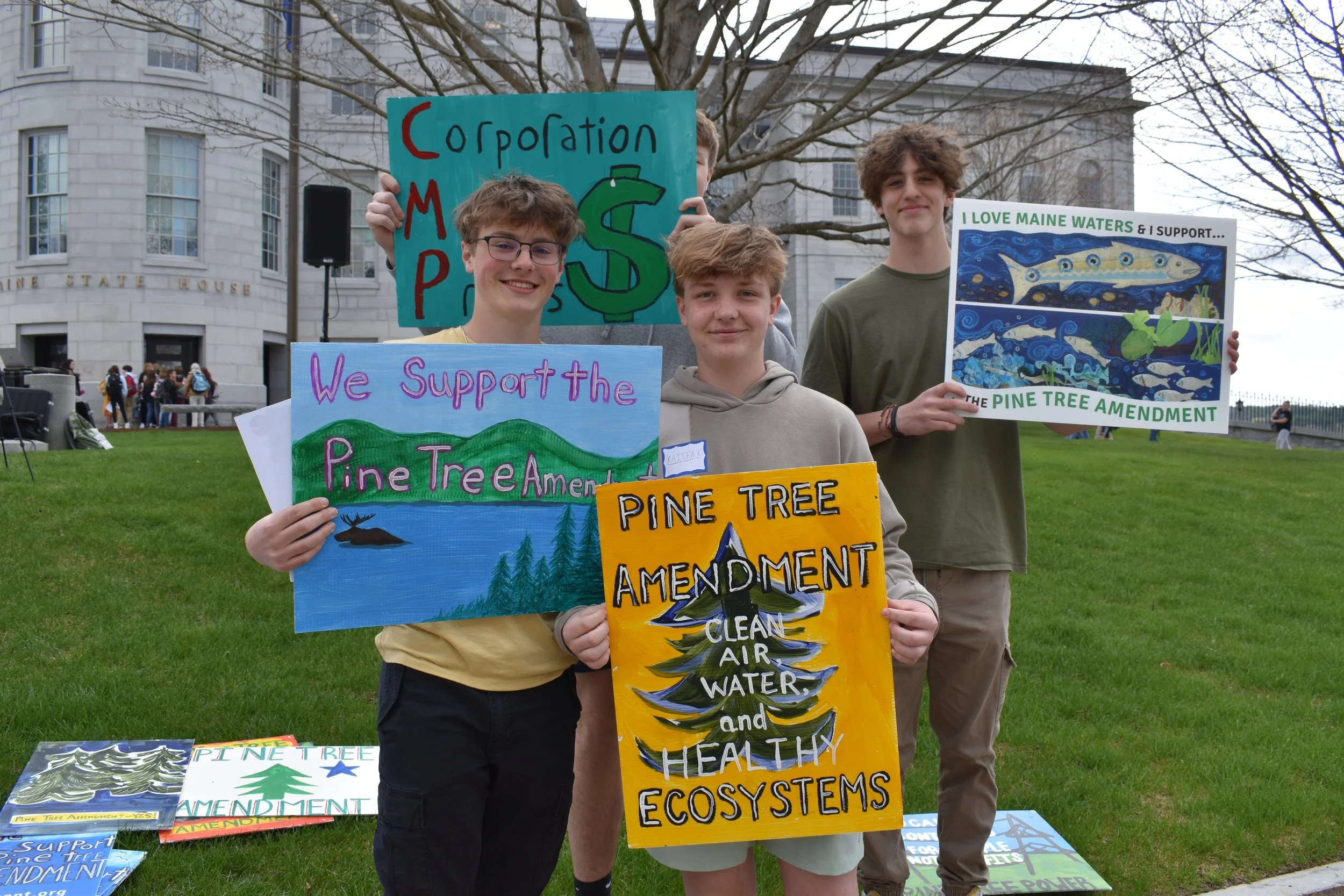
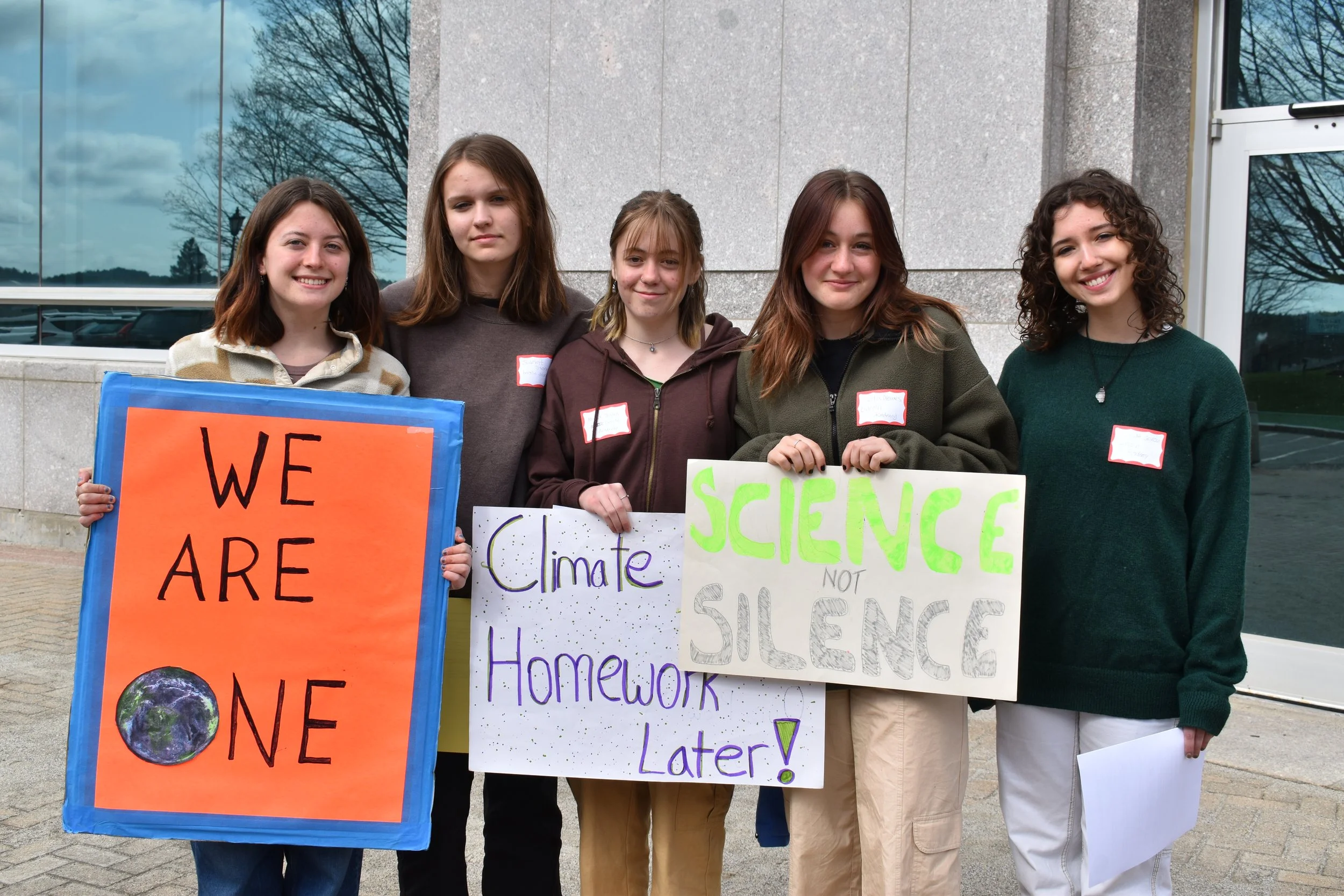
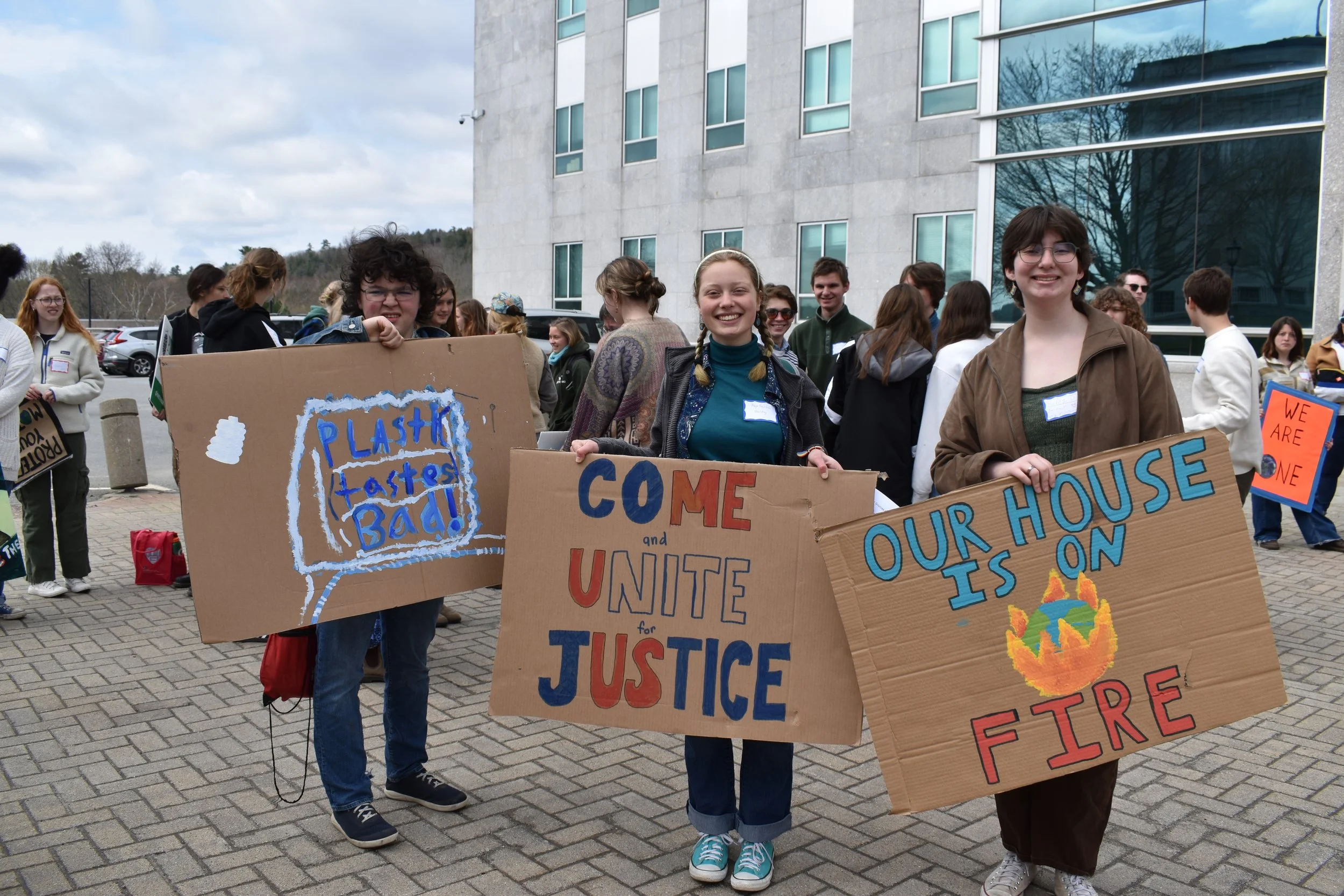
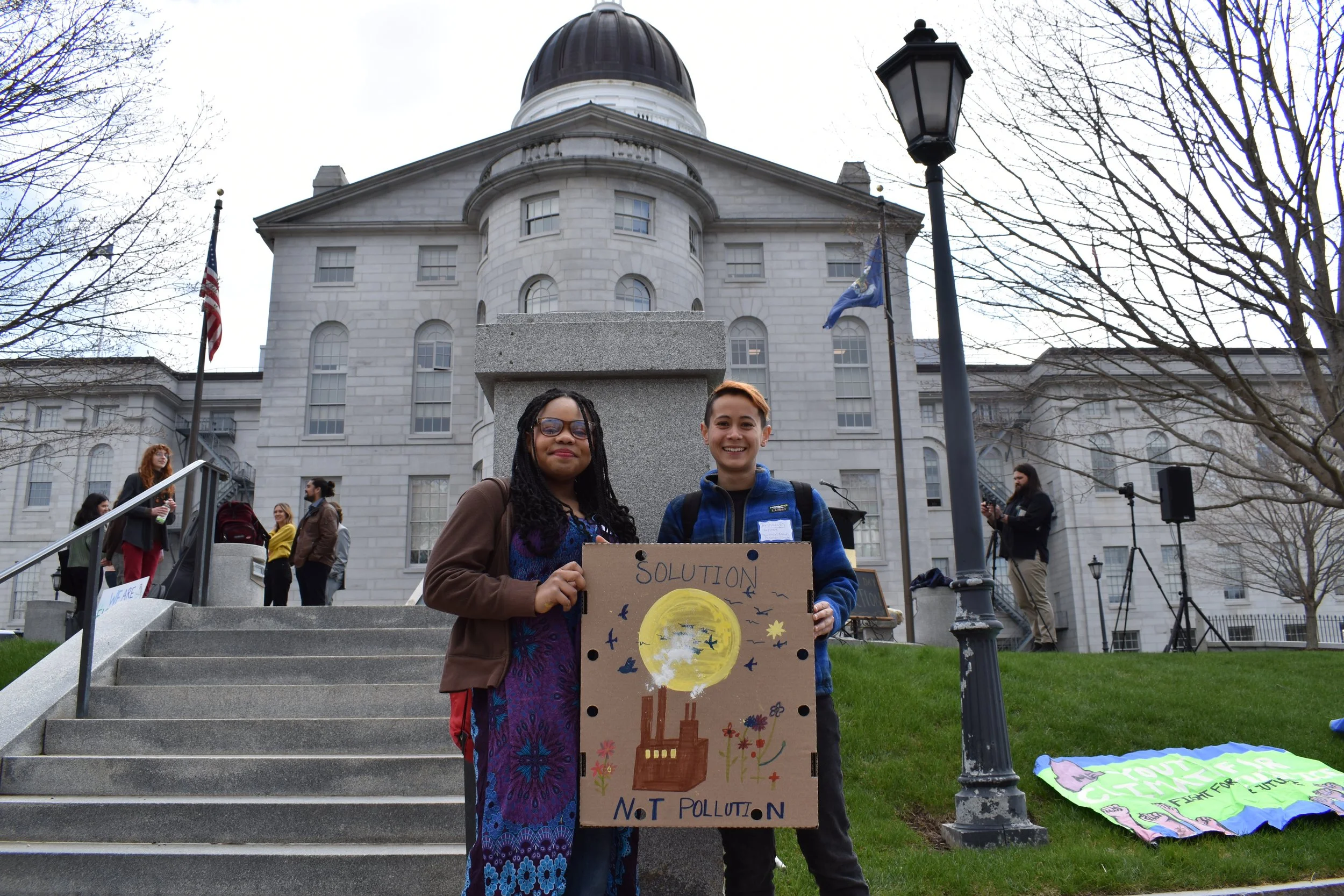
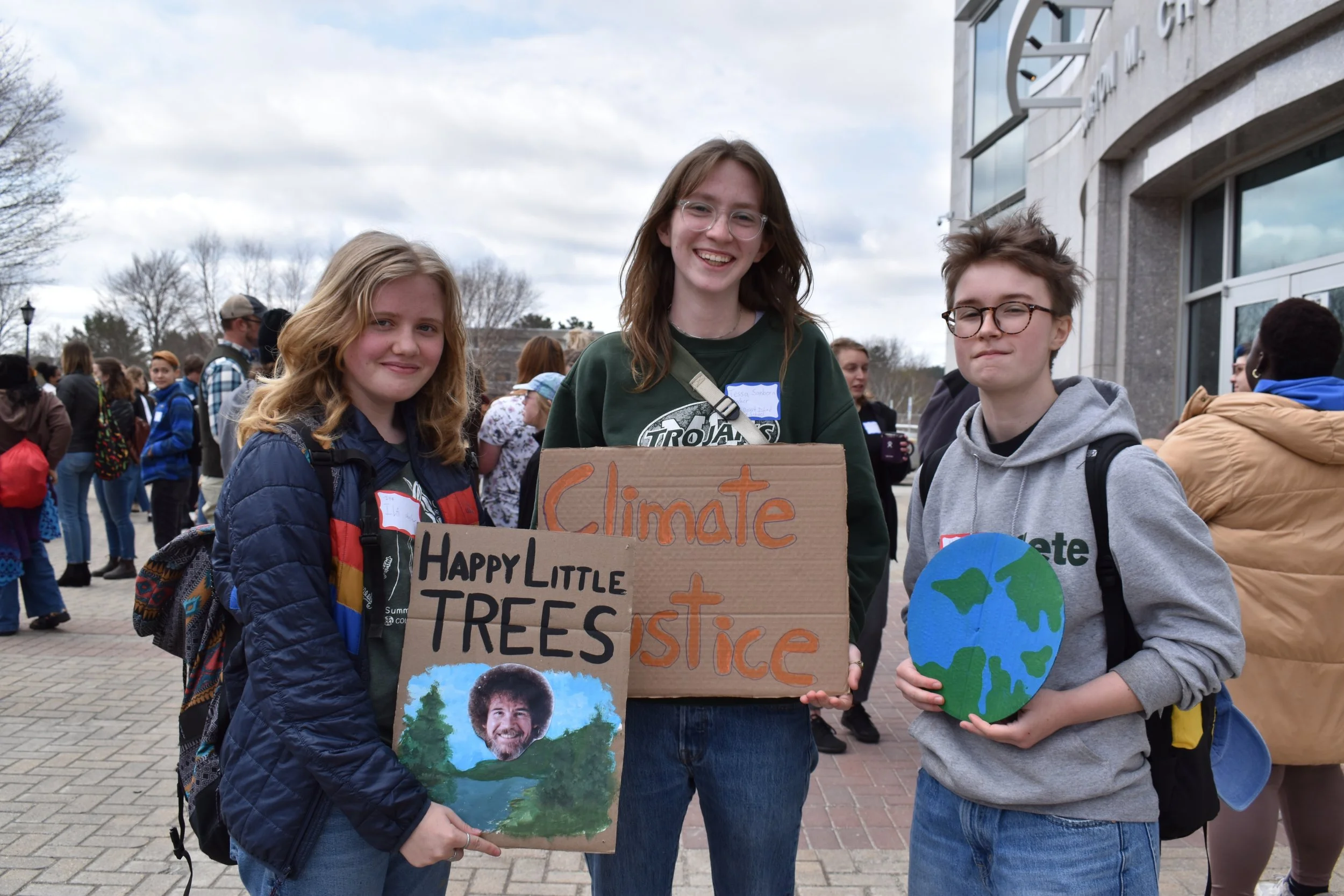
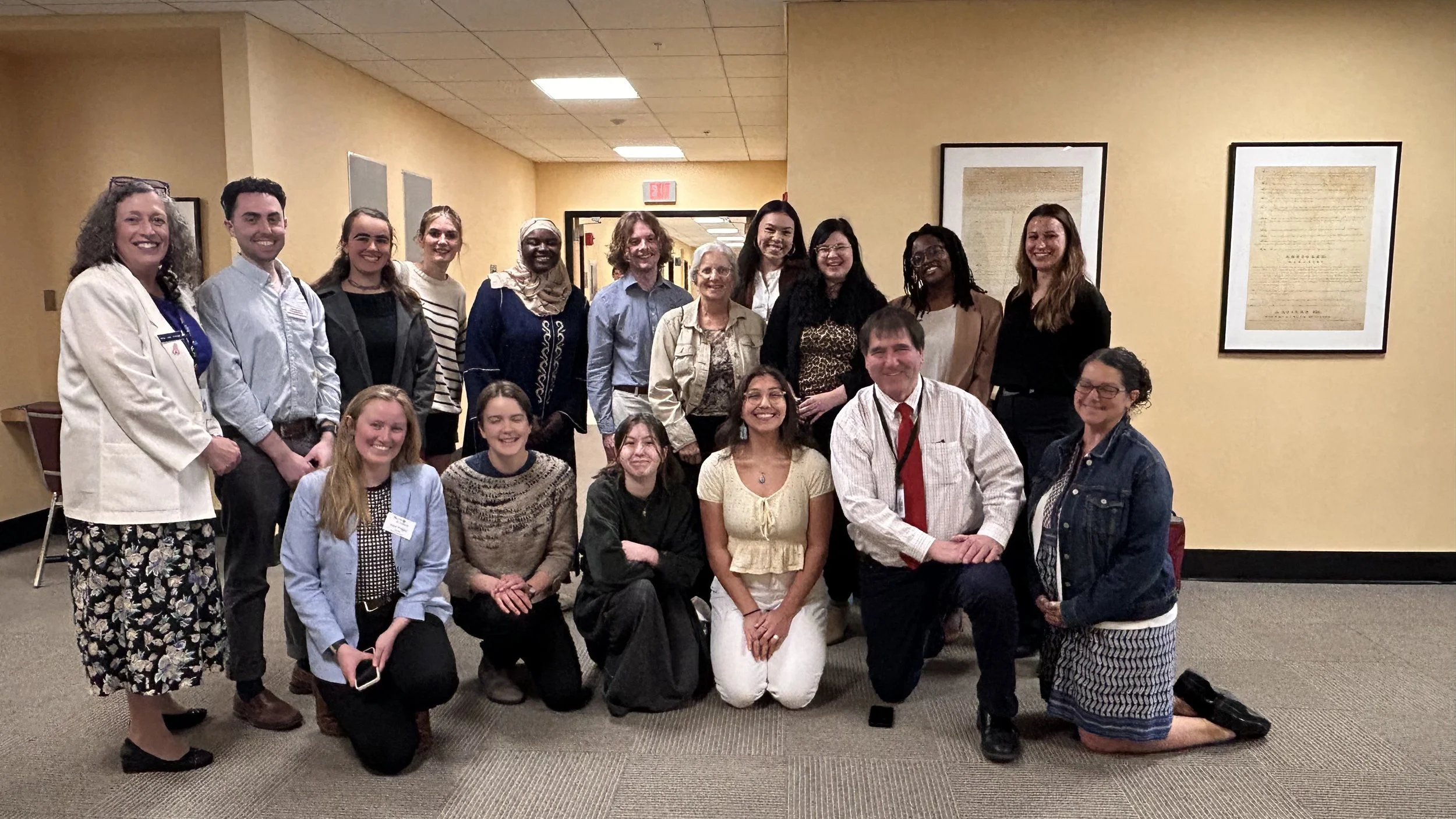
The Listen Project Story Map
123 youth surveyed
22 interviews with youth and adult allies
The Listen Project Story Map is an immersive, experiential data storytelling project built with ArcGIS to bring our surveys and interviews to life.
Alex, a 16-year-old character from Cumberland County, Maine guides you through the stories and data that highlights key information about what young people and youth organizations across the state shared, what’s working, what’s not, the barriers we’re facing, and shared visions for a more connected youth climate movement in Maine. Learn about the team who made this story map.
7 organizations surveyed
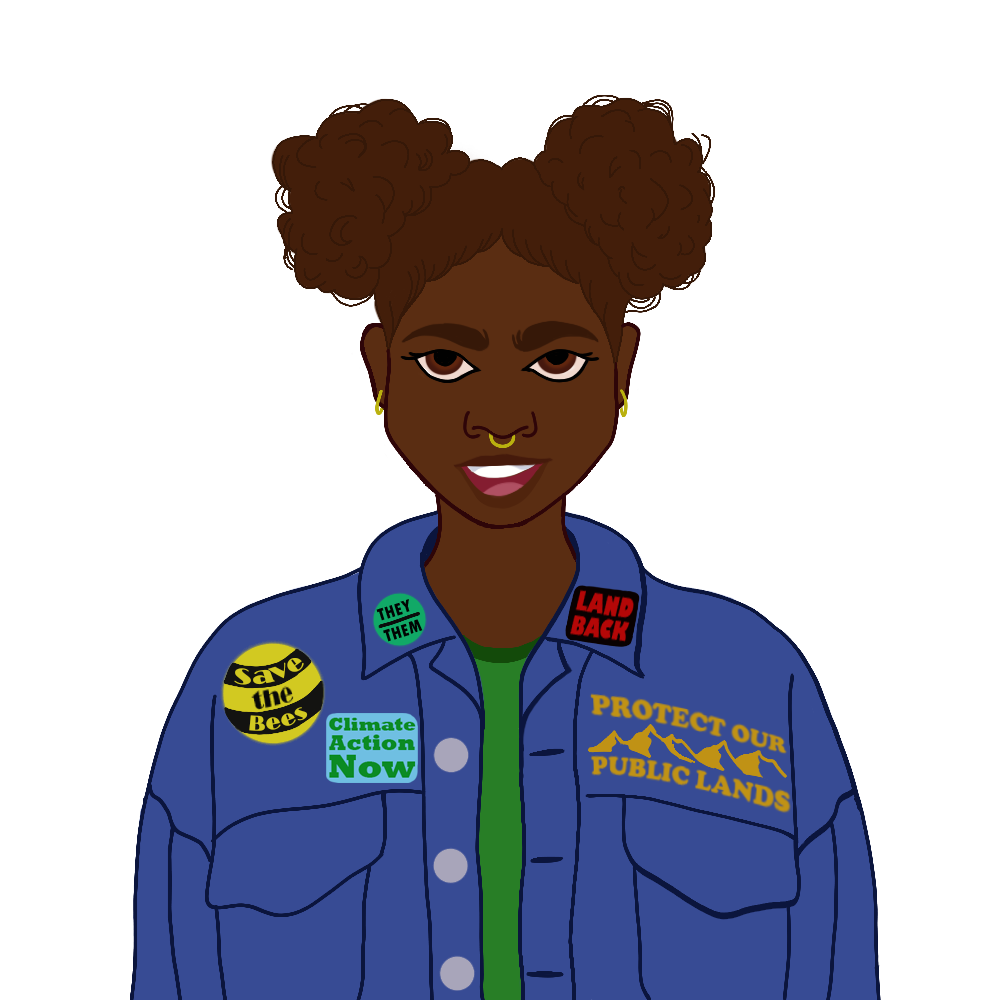
Graphic design by Niko Mills
View the story map
You can view the story map by clicking the button below to open in a new tab on your browser, or view it below embedded onto this webpage. To scroll through the story map, hover your cursor over the window below, and scroll down to navigate the data.
If you’d like to dive even deeper into the data, you can read the full report below.
Data Highlights
Youth need more support around mental wellbeing.
Burnout (59%), imposter syndrome (46%), event timing (43%) and feeling overwhelmed/hopeless (43%) are the most significant barriers for youth.
Here are the self-reported identities of youth we surveyed:
Rural (42%), suburban (32%), and urban (21%)
Queer (49%)
Racially diverse background (20%)
Low-income (21%)
Have a disability (14%)
Youth want to see a more connected and collaborative youth climate movement.
Check out the full story map to dive into the rest of the data.
$
What we want the funding community to know:
Having a dedicated retreat and or meeting spaces for youth climate leaders to deepen relationship, feel support and joy, share their top priorities for the year, explore data and brainstorm solutions is critical for building a more strategic, sustainable, and connected movement.
This movement is under-resourced and has so much potential for even greater impact with more support!
We have to do more NOW to reduce burn out and support the mental health of youth and leaders in this movement. The political moment youth activists are facing right now is incredibly challenging-we need to pivot to meet the moment.
Numbers are not the totality of our impact: Each individual youth leader can have a huge impact in the environmental movement if they stay in the sector as they grow their skills. Investing in cultivating leaders and skill building is a critical investment to the future of the environmental movement.
Solutions you can support:
Problem: Youth want to build a more collaborative and connected climate movement in Maine.
Support for collaborative grant writing efforts across organizations
Funding for professional development for youth and time to share learning across orgs
$
Increased stipend funding for time and transportation for youth attending movement events
$
$$
Problem: There is a lack of resources for youth to participate & grow the Maine climate movement.
Problem: The biggest barriers to climate action are burn out, hopelessness, apathy, and Imposter Syndrome.
More diverse positive storytelling about youth taking action in Maine and building political power through stories of youth engaging in the political system in all different ways
Annual Youth Climate Leadership Retreat
$$
Increased funding to support youth working on concrete projects
Problem: Youth of different skills and capacities need an improved ladder of engagement.
$
Collaborating across the orgs to create a “This is What a Climate Organizer Looks Like” social media campaign to show folks at different stages of leadership and approaching the work from different angles.
$$$
Create a “Personality Quiz,” an online platform where youth can answer questions about themselves, location, interests, needs and then would be matched with the organizations, resources, trainings and events best suited for them.
$$
Building cohorts around mental health support for youth climate organizers and creating intergenerational spaces for this work
$$$
Funding for a shared full time position to coordinate among youth organizations
Year-long shared fellowship amongst multiple youth organizations, would help foster & coordinate collaboration.
$$$
Scholarship/mini grant funds cohosted between the youth orgs to train yout or support their local climate action projects
$$$
Capacity Building Funds to the youth led orgs to help reduce burnout that the key network organizers are facing and increase capacity to incubate new youth projects
Interested in supporting one of these solutions? Get in touch with us by emailing info@meeassociation.org!
Who are The Listen Project?
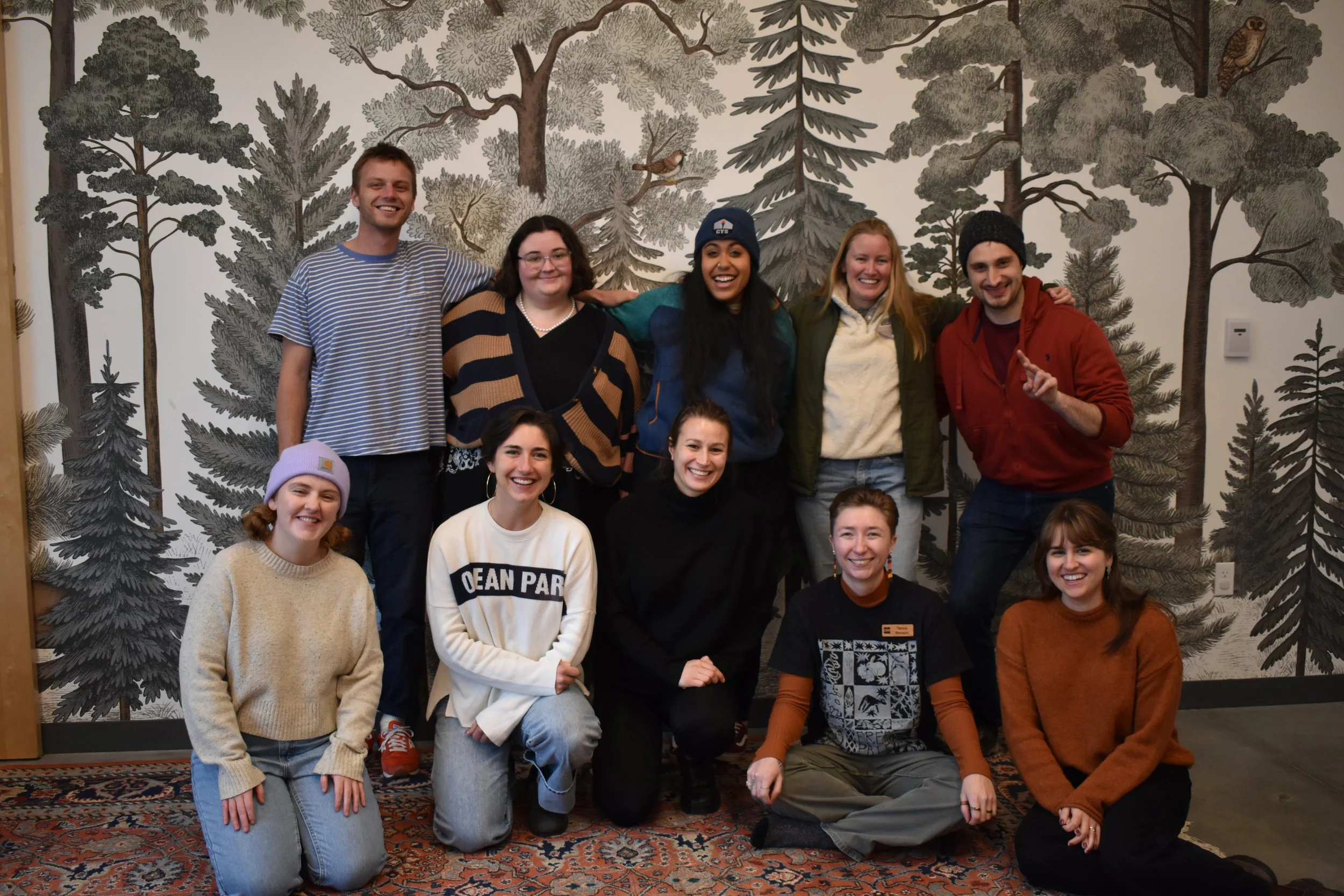
The Listen Project used a participatory process to center those most impacted in the design and implementation of the evaluation. Youth step into the role of researchers to study ourselves and our own movement by implementing surveys and in-depth interviews in our communities and organizations. Working Group and Advisory Board members received a paid stipend for our time.
The Core Working Group
The Core Working Group met biweekly in 2024 and 2025 and was responsible for project management. MEEA and MYCJ representatives led the working group, and an Adult Ally from MCAN offered critical feedback and connected the wider adult-led coalition of climate organizations to the research project.
Olivia Griset (MEEA)
negina Lawler-Naluai (MEEA)
Ray Mills (MEEA)
Phoebe Little (MYCJ)
Kaelin Ferland (MYCJ)
Zak Kendall (Formerly MYCJ)
Ezra Sassaman (MCAN) Angie Flores (Former MEEA Changemakers Fellow)
The Advisory Board
The Youth Advisory Team included youth representatives from various youth climate organizations. This group met 4-6 times over the course of the project to give feedback at critical stages and to ensure the project includes information from their organizations and youth they have relationships with. Working group members also served on the advisory.
Laura Bither (Just ME for Just US)
Luke Sekera Flanders (Community Water Justice)
Anna Siegel
Idey Abdi
Cassie Cain
Bethany Humphrey
Research support
Researchers from the Data Innovation Project at the University of Southern Maine are working with the working group to offer support and training at critical points throughout the project.

Story Map Team
-
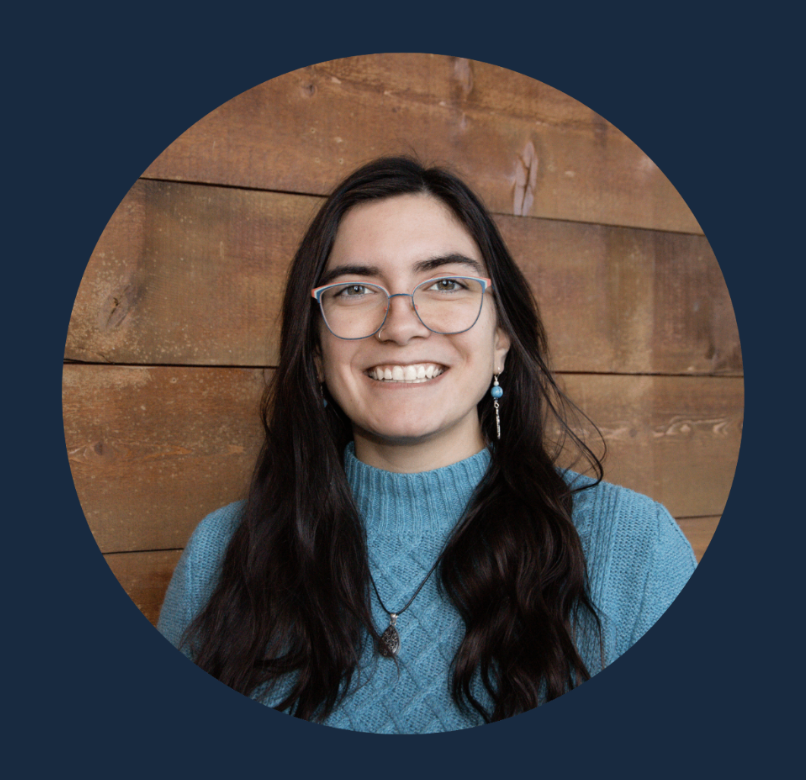
Bethany Humphrey (she/her) is an independent consultant who works at the intersections of people, data, and the environment. She currently consults with nonprofits and businesses, offering program evaluation, data analysis, and grant writing services. Prior to starting her own business, she worked at organizations across Maine in the fields of STEM education, conservation, trail stewardship, and youth leadership.
-
Ray Mills (she/they) is primarily of Wabanaki and Franco-American descent and grew up in Oxford County, Maine along the Androscoggin River. In 2021, she graduated from the University of Maine with a Bachelor of Arts in Anthropology and Native American studies. They currently serve as the Climate Adaptation Resident in a joint position with the Maine Environmental Education Association (MEEA) and The Nature Conservancy in Maine (TNC). With MEEA, Ray has taken a lead role on The Listen Project , which this Story Map guides visitors through. She also supports MEEA through fundraising, development, graphic design, and publishing the monthly Changemakers youth newsletter. At TNC, their work centers on strengthening community resilience through the implementation of Nature-Based Solutions to climate change while prioritizing relationship building and project development with Wabanaki communities. Recently, she created a Story Map for the Houlton Band of Maliseet Indians which guides viewers through the process of Instream Restoration in the Meduxnekeag River and provides information about how restoration efforts will benefit fishes, people, and the surrounding ecosystem. While working on The Listen Project, she has had the opportunity to build upon her project management and data analysis skills.

-
Angie Flores Quispe (she/her) is a Peruvian climate communicator and researcher passionate about youth-led movements, climate justice, and community storytelling. She holds a B.A. in Human Ecology from College of the Atlantic and has collaborated with diverse climate justice organizations in the U.S. and abroad. Her experience spans climate education, policy analysis and strategy, and renewable energy transitions. Angie first collaborated with MEEA in 2024 as a Changemakers Fellow and continued engaging through the LISTEN Project working group. She brought her background in participatory research, GIS, and narrative design to create and narrate this StoryMap.
Got a question about The Listen Project?
Why is this project needed right now?
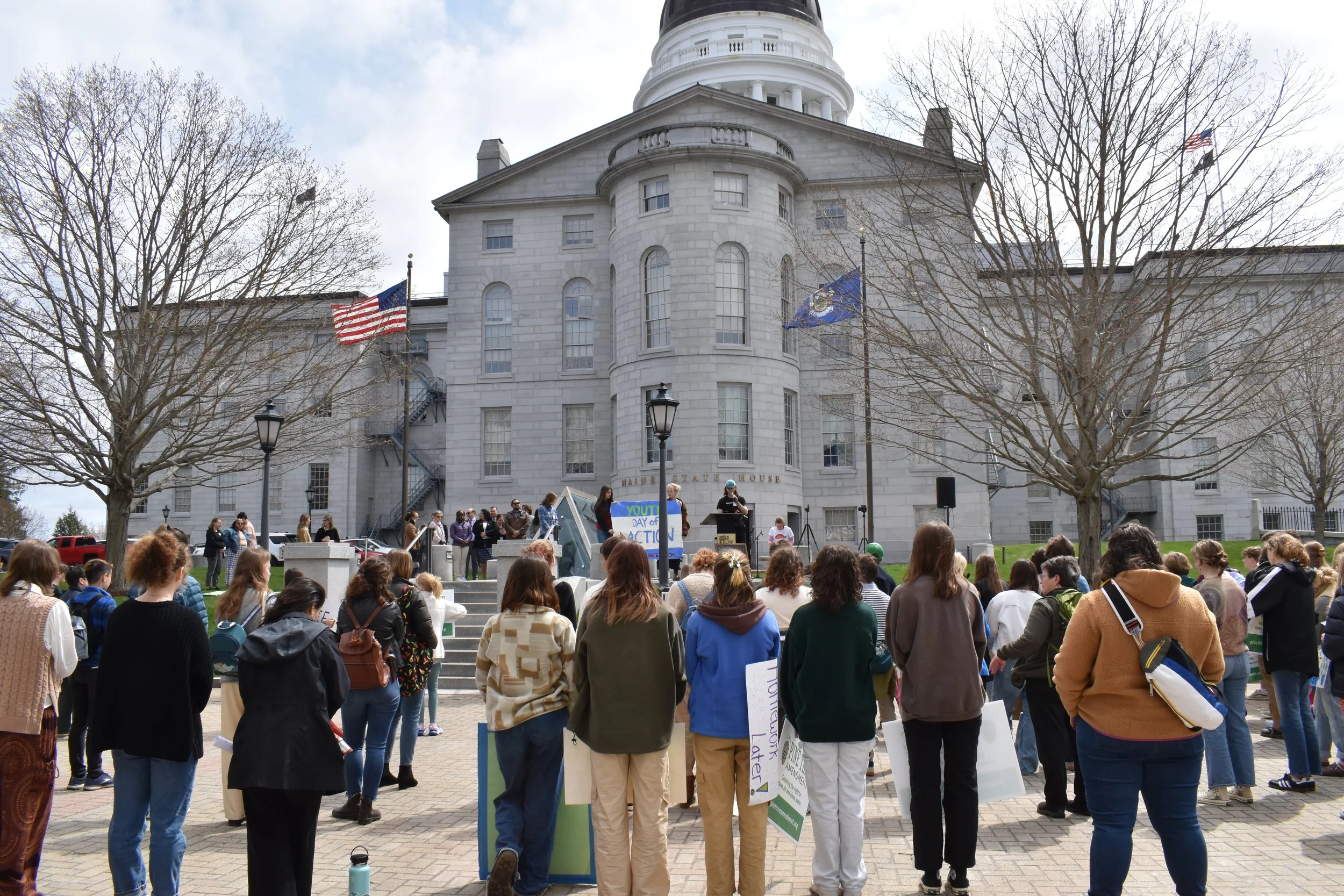
The Listen Project aims to increase collaboration amongst youth climate organizations and community groups to build a more sustainable foundation that meets the needs of the dynamic and diverse Maine youth climate movement. Because climate justice work is by definition intersectional, groups in the youth climate movement focus on a wide variety of issues. In addition, the movement’s population changes rapidly as youth are very mobile as they graduate high school, go to college, and pursue careers in new geographic areas. Because of this dynamic, leadership succession planning in the youth climate movement in Maine has been a serious issue in maintaining continuity of the work. Organizations often compete over the same pool of money with some groups’ successes coming at the expense of others. We expect The Listen Project’s data to illustrate both the strengths and challenges of this work and how we can better move forward.