MAY 7 - 8, 2026

Wabanaki homelands in West Gardiner, ME
Pilgrim Lodge at Lake Cobbosseecontee

A group of people standing in a circle in the woods underneath evergreen trees.

Registration now for the MEEA 2026 Conference on May 7 - 8, 2026

The MEEA 2026 Conference is a two-day event to celebrate educators, students, and anyone in our communities who contributes to creating a more just and sustainable Maine environment. The conference offers workshops, networking, and a retreat atmosphere. Topics explored include environmental education, outdoor learning, Wabanaki studies and skills for action. We welcome anyone who is curious about these topics to attend, including classroom educators, community educators, students, early career professionals, school administrators, nonprofit professionals, and community organizers. At MEEA, we recognize this work can be hard and demanding, so we offer workshops that both celebrate our successes and support one another in our challenges. Register now!

Questions? Email conference@meeassociation.org

Image of a group photo of nine people — centered around a Muslim woman in a gray hijab holding her baby son while holding a award plaque, with seven people smiling standing behind her while outside on a school campus.
Two older adult men smiling and talking while facing each other inside of a conference room
A close-up image of a woman with blonde curly hair hugging someone
A group of people stretching their arms up while inside of a conference room

Thank you to our 2026 sponsors!

Schedule at a Glance

Thursday, May 7

12 - 1pm optional lunch at Pilgrim Lodge, $10

1 - 4pm
Wabanaki Studies: Furthering Your Teaching and Learning
Facilitated by Panawahpskek citizens Brianne Lolar and Kaya Lolar

4 - 5pm
Break with appetizers

5 - 6:30pm
MEEA Annual Award Celebration + Networking Reception

7pm - evening
Optional dinner for lodging guests and evening activities

Friday, May 8

8:45 - 9:30am Annual Meeting and Conference Welcome; Tabling begins and continues throughout the day

9:35 - 10:35am Morning 1-hour Sessions 1

9:35 - 11:45am Morning 2-hour Sessions

10:45 - 11:45am Morning 1-hour Sessions 2

11:45 - 1:25pm Lunch & outdoor activities

1:25 - 2:25pm Afternoon 1-hour Sessions 3

1:25 - 3:35pm Afternoon 2-hour Sessions

2:35 - 3:35pm Afternoon 1-hour Session 4

3:35 - 4:00pm Closing

How to sign up for workshop sessions

Please sign up for your sessions by May 4th. This year you can sign up for workshops online in advance. Each workshop will have a limit of 25 participants, so we encourage you to register and sign up early to secure your spot in your preferred workshop.

  1. Go to the registration page.

  2. Register for the conference by clicking “Reserve Tickets”. You’ll be prompted to sign up for an account with Sched using your email address. This account will allow you to also sign up for workshops.

  3. Already registered? Click the Schedule tab, located at the top of the registration page.

  4. On the Schedule tab, click the white circle next to each workshop you want to sign up for. You can only sign up for one workshop per time block. 

  5. To view the workshops you’ve selected, click My Schedule at the top of the page.

  6. Need help signing up for workshops?conference@meeassociation.org

Thursday Wabanaki Studies Workshop

1 - 4pm Wabanaki Studies: Furthering Your Teaching and Learning

This 3-hour collaborative work session is intended for educators who are actively working on implementing Wabanaki studies into their teaching practices. Please bring any lessons, activities, or resources that you have been building to workshop in the company of Wabanaki advisors and other educators. This is a welcoming and open space where you will have the opportunity to receive invaluable feedback from Wabanaki knowledge sharers, collaborate with fellow educators, and leave feeling well supported in your furthered Wabanaki Studies learning journey! If you have not yet taken the microcourse, “Wabanaki Studies - Essential Topics for Teaching & Learning”, but would like to before May in order to attend this workshop, please contact brianne.lolar@maine.gov.

Friday, May 8 Workshops

Wabanaki Studies Workshops

  • Session 1 9:35-10:35am
    Facilitated by Pananwahpskek citizens Brianne Lolar, Maine Dept. of Education
    Kaya Lolar, MEEA

    Get interactive with available Wabanaki studies resources and build connections with other educators looking to implement Wabanaki studies in their classrooms and communities.

Outdoor Learning Workshops

  • Session 1 9:35am-10:35am
    Facilitated by Heather Bailey, Director of Childcare at Penobscot Bay YMCA Child Care Center

    Find creativity in community, join me in creating your own personal Anthotype from natural materials. Together we'll collaborate on making this project applicable to your program, finding connections in the process of Anthotypes for preschool and school age children alike.

  • Session 2 10:45-11:45am
    Isabelle Stewart and Robbin Dilley, Chewonki Maine Coast Semester

    Interested in an easy, accessible way for you or your students to develop a deep connection with place and become more familiar with local species and ecosystems? Come explore phenology with us! We will be outdoors practicing and debriefing several techniques for observing and tracking seasonal changes. Bring your curiosity and a good pencil!

  • Session 2 10:45-11:45am
    Adam Williams and Leza Packard, The Ecology Learning Center

    Share! Collaborate! Learn!  Join educators from the Ecology Learning Center (Unity, Maine) as we discuss the successes, challenges and opportunities for creating dynamic, skills-focused outdoor learning experiences for youth in rural public-school settings. 

  • Session 3 1:25-2:25pm
    Nell Houde & Lena Ives, Nature Based Education Consortium Advocacy Working Group

    The Nature Based Education Consortium Advocacy working group wants to hear from YOU about the systems-level changes and legislative priorities that need to happen to support you in your work. Our group has been working hard for the past seven years hard to shape policies that will further strengthen the environmental education ecosystem state-wide, and in this workshop we will share stories of our successes, the learnings of our challenges, and all the skills we've learned and resources we've built along the way. Most importantly, though; we want to continue to expand engagement with the legislative process and hear about community needs as we hone in on our future work. Come get your voice heard and learn some advocacy skills! 

  • Session 4 2:25-3:35pm
    Ashley Medina, Maine Community Integration

    This experiential workshop explores how connection to land can cultivate belonging and curiosity for youth navigating new environments. Through storytelling, guided reflection, and a hands-on nature activity, participants will experience how outdoor learning can foster healing, connection, and stewardship. Attendees will leave with practical ideas for creating inclusive outdoor learning spaces.

  • Session 4 2:25-3:35pm
    Emory Buco Harger, MEEA

    Step outside the classroom and into the frame! Participants will need to bring their own camera or cell phone to participate in the photography exercise. In this experiential workshop, educators will discover how outdoor photography can build student connection to the natural environment at your school or community program, build teamwork amongst students, and grow self-confidence and creative expression. We'll start off with a hands-on exercise with student photography and example lessons from Emory Buco Harger's middle school photography class at La Escuelita Middle School in Oakland, California. Then we'll participate in a creative outdoor photography activity for the second half of the workshop that helps students observe their natural environment, express themselves, work as a team, and also introduce some colors in the Panawahpskek language.

    You'll leave this workshop inspired to bring outdoor photography into your classroom or community program, ideas for funding strategies and weaving photography across subject areas, and maybe even a few great photos of your own!

Climate Education Workshops

  • Session 1 9:35am-10:35am
    Melissa McCue-McGrath, Animal Welfare Society, Dog Trainer, Behavior Consultant

    With climate change affecting the rapid spread of invasive species that harm our ecosystems, a group of six dog owners and their trainer were given a task: Can you teach your pet dogs to find Spotted Lantern Fly? The answer was a resounding yes - and you can teach your pet to find an invasive, too. 

  • Session 1 (2 hours) 9:35 - 11:45am
    Roberta Hill, The Center for an Ecology-Based Economy, Bioregional Coordinator

    Ray Mills, Maine Environmental Education Association & The Nature Conservancy in Maine, Changemakers Resident

    This workshop is for both formal and informal educators who are interested in teaching, either in the classroom or community, about how to utilize community science for flood and drought monitoring and build more resilient communities. The first half of this workshop will consist of a short presentation of the project and resource materials, and the second part will be a field-based activity offering the chance to contribute to the flood monitoring project directly.


    No prior experience is required, just an interest in teaching about flooding and its impacts, along with a willingness to use a hands-on approach in doing so. Participants will need to come prepared to spend half the workshop outdoors and should  wear environmentally appropriate footwear and clothing.

  • Session 3 1:25-2:25pm
    Abigail Long, The Gulf of Maine Research Institute, Community Science Project Manager

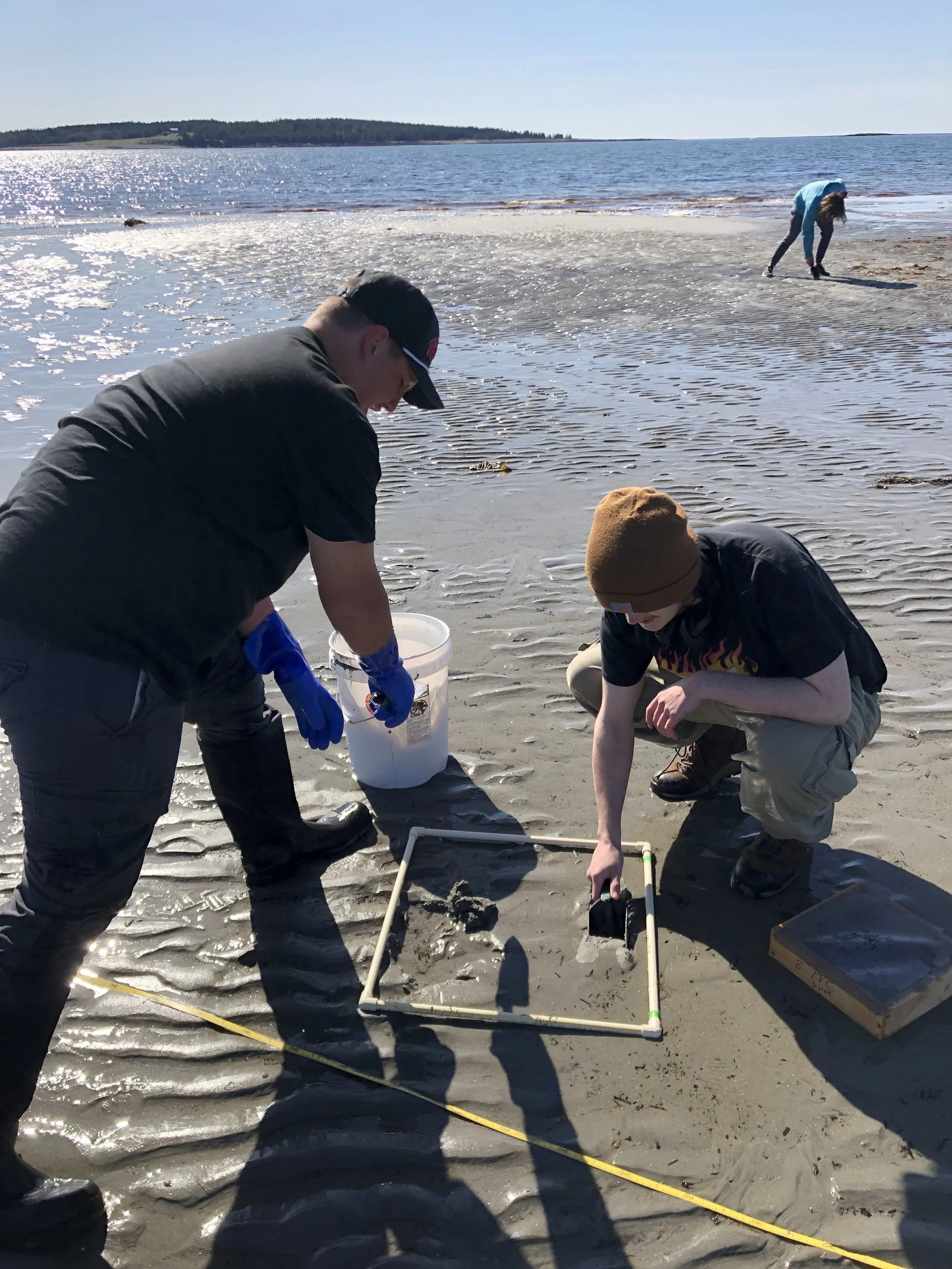
    Vernal pools are temporary spring pools that contribute to the biodiversity of healthy forest ecosystems as habitats and food sources for many species. As climate is changing and humans continue to develop on forested land, vernal pools and the unique species that rely on them may be changing as well. Join the effort to understand where and when we can find vernal pools and how they may be changing through Project Vernal Pools, a community science project focused on monitoring and protecting these seasonal habitats.

  • Session 3 (2 hours) 1:25-3:35pm
    Teddy Lyman, Maine Department of Education, Climate Education Specialist

    Carey Hotaling, Subject to Climate, Maine Climate Education Hub, Maine State Lead

    Ezra Sassaman, Maine Climate Action Now, Advocacy Coordinator

    Isabelle Rogers, Maine Climate Action Now, Communications Coordinator

    Join three organizations leading the way in climate education in Maine — Maine Department of Education, Subject to Climate, and Maine Climate Action Now — to dive into the resources they have to offer. This workshop will begin as a large group and then will break off into smaller groups based on which resource you're most excited to learn more about. Learn more about each organization's offerings below.

    Subject to Climate
    Step outside for inspiration, then come inside to explore the resources on the Maine Climate Education Hub and discover practical ways to bring climate change into your existing curriculum. This interactive workshop provides a pedagogical overview, hands-on rotation activities to share ideas, and time to explore and select Hub resources for your own classroom.

    Maine Department of Education
    Come learn about the new Maine Seal of Climate Literacy and how you can implement it with your community. The Seal is a high school diploma endorsement that prepares and empowers students with environmental literacy, traditional ecological knowledge, and green workforce skills to rise to the challenge of climate change for the future of Maine’s communities, workforce, and natural environment. If you are curious or ready to jump right in, join us to learn more!

    Maine Climate Action Now
    MCAN staff members Ezra Sassaman and Isabelle Rogers will present educational climate justice resources their organization has been developing. These resources will be paired with participant brainstorming about how climate and other social justice issues are directly connected. We will also engage in open discussions about different ways of understanding the climate crisis and climate solutions by pairing modern science with traditional ecological knowledge.

Skills for Action Workshops

  • Session 1 (2 hours) 9:35am-11:45am
    estephanie guaregua maroáll and Débora Paredes, Mycorrising

    What is the vision of the future for yourself, your loved ones, and your communities? How will you get there? What does the future ask of you right now? Share space and time with Mycorrising as we explore what organizing for the current moment might look like and how to find your role in movement and world building.

  • Session 2 10:45 - 11:45am
    Saige Purser and Tucker Daniels, Maine Youth Action Network

    Rooted in Relationship is a workshop designed to deepen participants’ understanding of youth voice, choice, and shared power in youth‑serving spaces. Together, we explore what authentic youth–adult partnership looks like, how power flows in different settings, and what it takes to build relationships where young people can lead with confidence. Through interactive learning, real‑world scenarios, and reflective dialogue, participants examine the conditions that allow youth agency to thrive and identify practical strategies for shifting adult practice. This session invites adults to rethink their role, share decision‑making in meaningful ways, and co‑create environments where youth leadership is not only possible, but expected.

  • Session 3 1:25-2:25pm
    Taylor Sherritt, Messalonskee High School, English Teacher
    Emily Fetter, Farmer/artist

    Drawing from the work of climate activist Ayana Elizabeth Johnson, (What if We Get it Right: Visions of Climate Futures)  and comic artist Lynda Barry, this workshop will center joy and creativity while metabolizing grief through collage-style zine making. Educational aspects of this workshop will include essays, articles, and images that capture the reality of our current climate crises. Participants will be taught basic strategies of zine making and will walk away with a finished zine.

  • Session 3 (2 hours) 1:25-3:35pm
    Kyle Warnock, Queerly ME, Executive Director & Founder

    Connection driven spaces have been in rapid decline as far back as the 1950s. National trends for social connection show loneliness is increasing and social engagement is decreasing. Our mental health, physical health, and society are directly and significantly impacted. Learn about the decline of community spaces, the public health epidemic of loneliness and isolation, and how we can collectively revitalize opportunities for affirming, inclusive social connection to improve societal well-being.

  • Session 4 2:25-3:35pm
    The Listen project Working Group members
    negina lawler-naluai, MEEA Director of Youth Engagement

    The Listen Project empowers Maine youth to lead research on our own climate movement, uncover unmet needs, and channel findings into more inclusive advocacy and resource strategies. We surveyed 123 youth, interviewed 22 youth and adult allies, and surveyed seven youth climate organizations. Interact with the data through a tactile and engaging data museum, and then join in on the discussion on how you can get involved in creating a resilient, collaborative youth climate ecosystem in Maine. 

Registration fees are sliding scale.

The cost per person for MEEA to host this conference is approximately $150. We do not want cost to be a barrier to participation, so we’re offering a range of registration fees determined by financial resources. Please choose the option that best fits your financial situation.

Registration will be capped at 150 participants and includes lunch (vegetarian/vegan and gluten-free options), refreshments, and access to all workshops and speakers. 

If you are able to pay more than $150, these funds will go towards putting on the event and to ensure accessibility for all - to do so, sponsor the conference here.

Registration Fees:
Thursday, May 7th: $ 0 - $50
Friday, May 8th: $0 - $150

How do I choose my conference registration payment amount?

Choose a lower price if you are an individual not affiliated with an organization and have less financial resources
Choose a mid range price if you are an individual with financial resources who is not affiliated with an organization
Choose a higher range price if you are an individual with more financial resources and/or are participating via an organization or school

Table at the MEEA Conference

Are you interested in setting up an exhibit table for  your business or organization? Please have all individuals who attend the conference to table for your organization complete this registration form and select a registration fee option separately. Only one individual from your organization needs to pay the following exhibit tabling fee.  

Exhibitor Tabling Fees on Friday, May 8th

  • $50 for nonprofit organizations

  • $75 for for-profit business

About the Venue

This year’s event is hosted at a rejuvenating and accessible retreat center along Lake Cobbosseecontee, the Pilgrim Lodge in West Gardiner. The conference will take place in the Main Lodge and the Quitobaquito Dining Hall, as well as outdoor space throughout the campus surrounding these buildings. Learn more about Pilgrim Lodge here and view accessibility info here.

This year we are offering lodging at the conference venue on Thursday evening! Spend the night along Lake Cobbosseecontee.

Pilgrim Lodge cabins are a short walk to the conference location buildings and are accessed by a boardwalk. You will need to provide your own bedding, including pillows, blankets, and sheets. The cabins fit up to four adults, have wood stove heat, a bathroom, and a shower. There are two accessible ramp-entry cabins that fit up to three adults that have accessible showers and bathroom.


Lodging costs
$85:  1-night lodging + 3 provided meals (Thursday lunch, Thursday dinner, Friday breakfast)
$55: 1-night lodging, no meals included