SUPPORTING EDUCATORS

Expanding Access to Wabanaki Studies

About Wabanaki Studies

The Panawahpskek (Penobscot) Nation, Peskotomuhkati (Passamaquoddy) Tribe, Mi’kmaq Nation,  (Wolastoqiyik) Houlton Band of Maliseet Indians, and Abenaki  (collectively known as the Wabanaki Nations) have lived for thousands of years in the land we now call Maine. They are known collectively as the Wabanaki, or "People of the Dawnland." Despite colonization and attempted genocide—including the forced removal of their children—the Wabanaki Nations have endured as sovereign and self-determining peoples, with distinct and diverse languages, cultures, governments, and economic structures. (Source: Wabanaki Studies Framework)

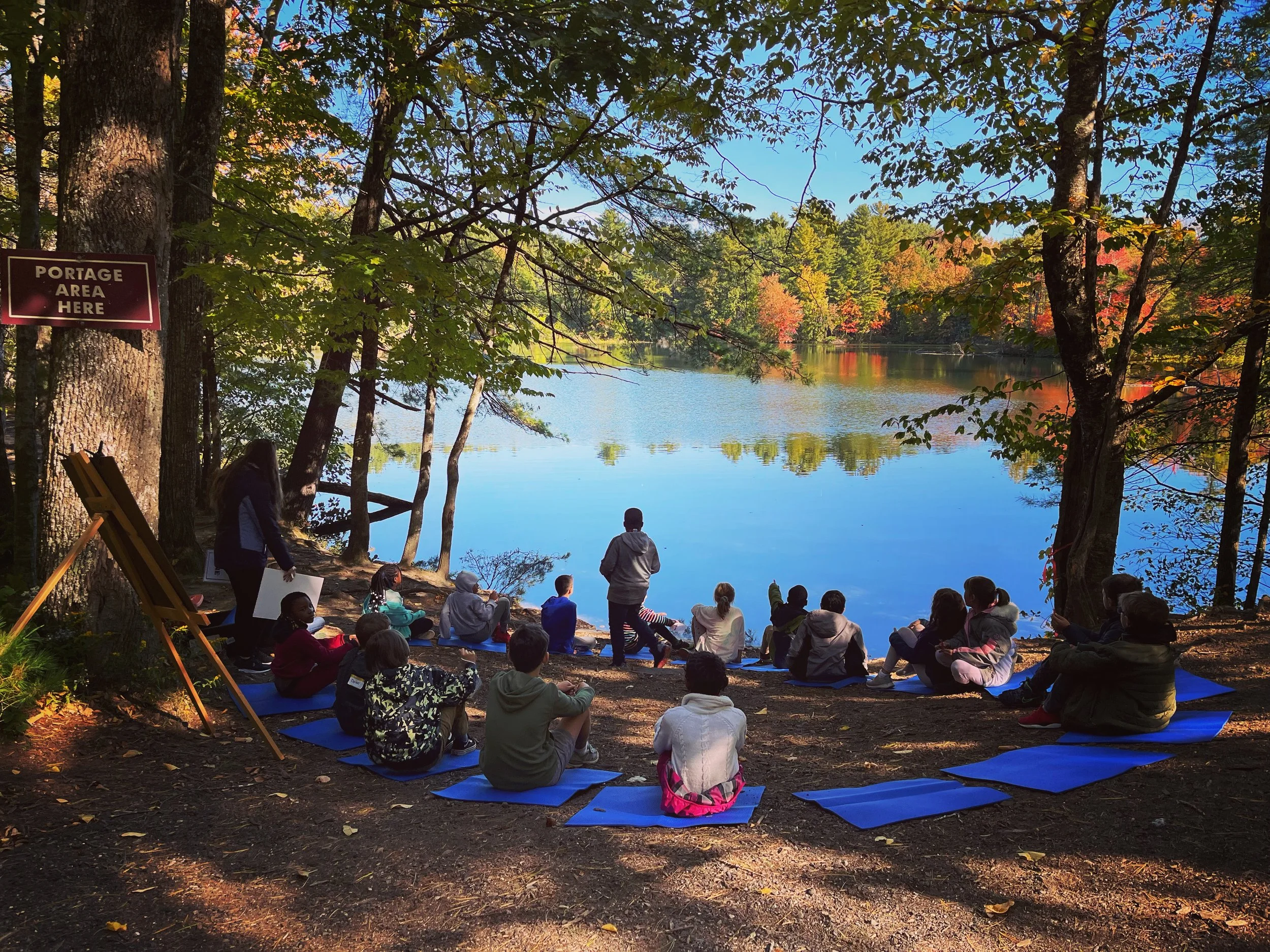
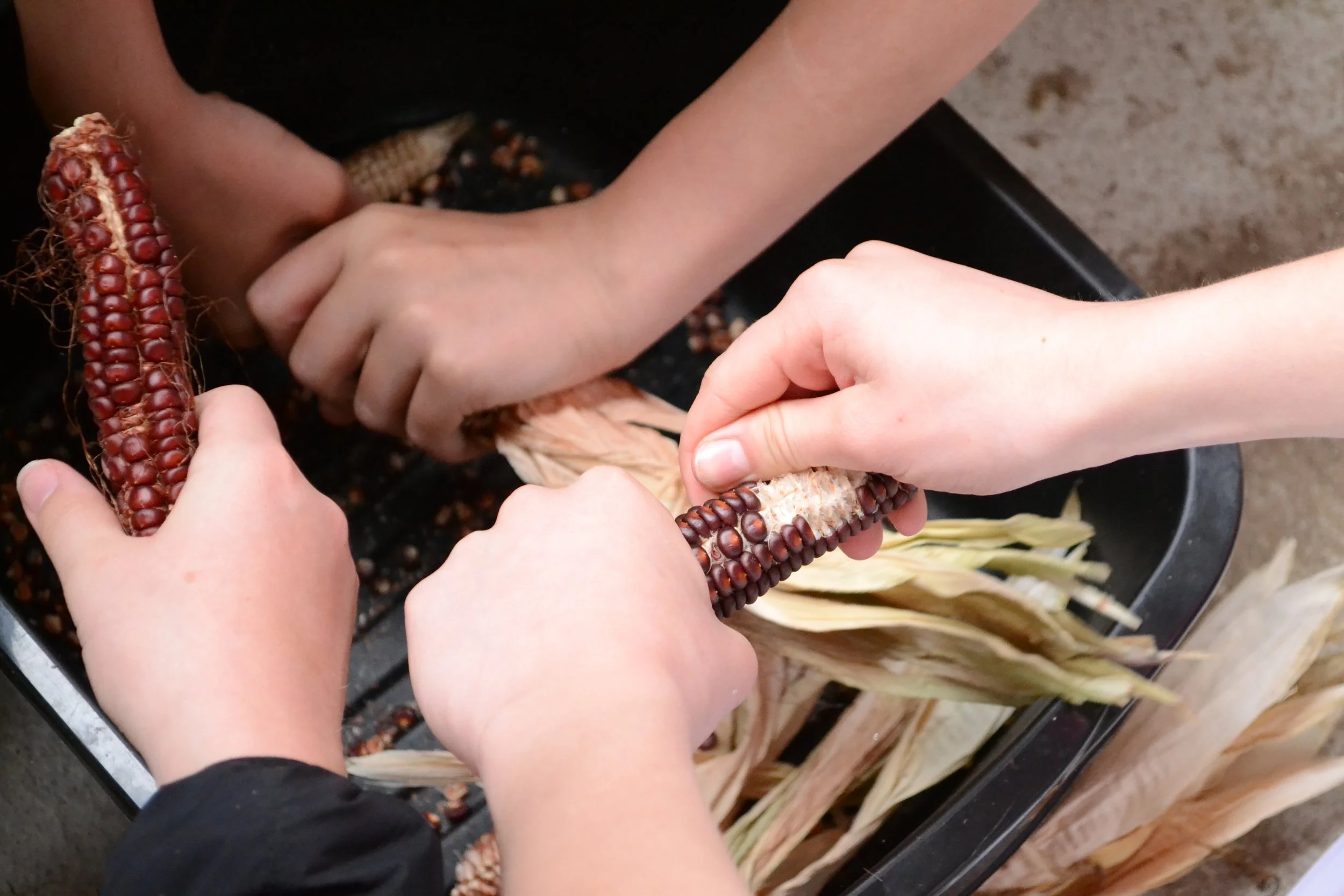
At MEEA, we strive to expand access to Wabanaki Studies at public schools and environmental education organizations so that all Maine students and educators can access Indigenous knowledge inside and outside the classroom. We connect Wabanaki educators with the wider environmental education community through providing funding, professional development workshops, and community partnerships.

The Wabanaki Nations’ traditional ecological knowledge continues to expand and challenge the field of environmental education to approach teaching about the natural world in a more holistic, interconnected, and interdisciplinary way. Wabanaki Studies promotes Maine students to have a deeper connection to the environment in which they live and learn; and to understand the history and culture of the people who have stewarded these lands for time immemorial.

We extend are gratitude and respect to Panawahpskek citizens Brianne Lolar and Kaya Lolar for their knowledge and efforts expanding Wabanaki studies; and to all of the Wabanaki advisors and educators who share their stories, cultural practices, and rich histories through the materials available on this webpage and beyond.

Where do I start? Check out:

Follow Wabanaki Studies Education on social media for regular updates on Wabanaki studies opportunities!

Instagram
Facebook

Register now for the
2026 Spring Wabanaki Studies Workshops!

Grow your Wabanaki studies skills through these new Maine Dept. of Education micro courses and build community with a cohort of educators in your area this three-part workshop series.

Register here

Workshop Schedule

Session 1: Online Orientation (1 hour) pick one date to attend:
Thursday, January 15th, 3:30-4:30pm
Wednesday, January 21st, 4-5pm

Independent Study (10 hours) Essentials for Teaching & Learning Wabanaki Studies Micro Course

Session 2: In-person Gathering (2 hours) pick one date to attend:
Tuesday, February 24th, 1-3pm
Coastal Maine Botanical Gardens, Boothbay

Saturday, February 28th, in Lewiston, exact time and location TBD

Independent Study (10 hours) Climate Education and Wabanaki Studies Micro Course

Session 3: In-person Debrief Gathering (2 hours) pick one date to attend:
Tuesday, April 7th, 10am-12pm
Penobscot Nation Boys and Girls Club

Saturday, April 11th, 10am - 12pm
Spruce Mountain High School, Jay ME

About the Workshops

Whether you’ve attended a workshop with Wabanaki Studies Specialist, Brianne Lolar, in the past or are looking to begin your Wabanaki Studies journey now, we would love for you to participate in the professional development opportunity happening winter and spring of 2026!

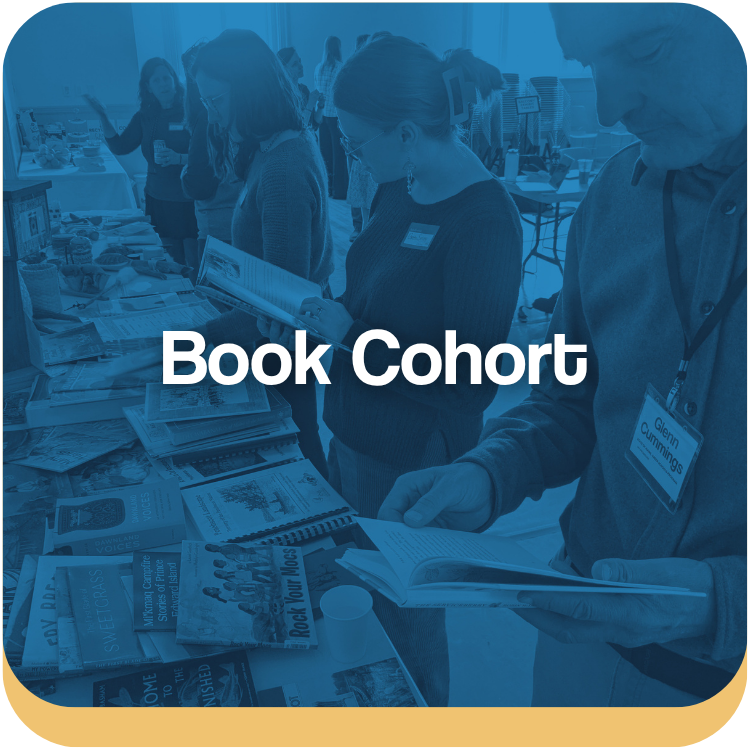
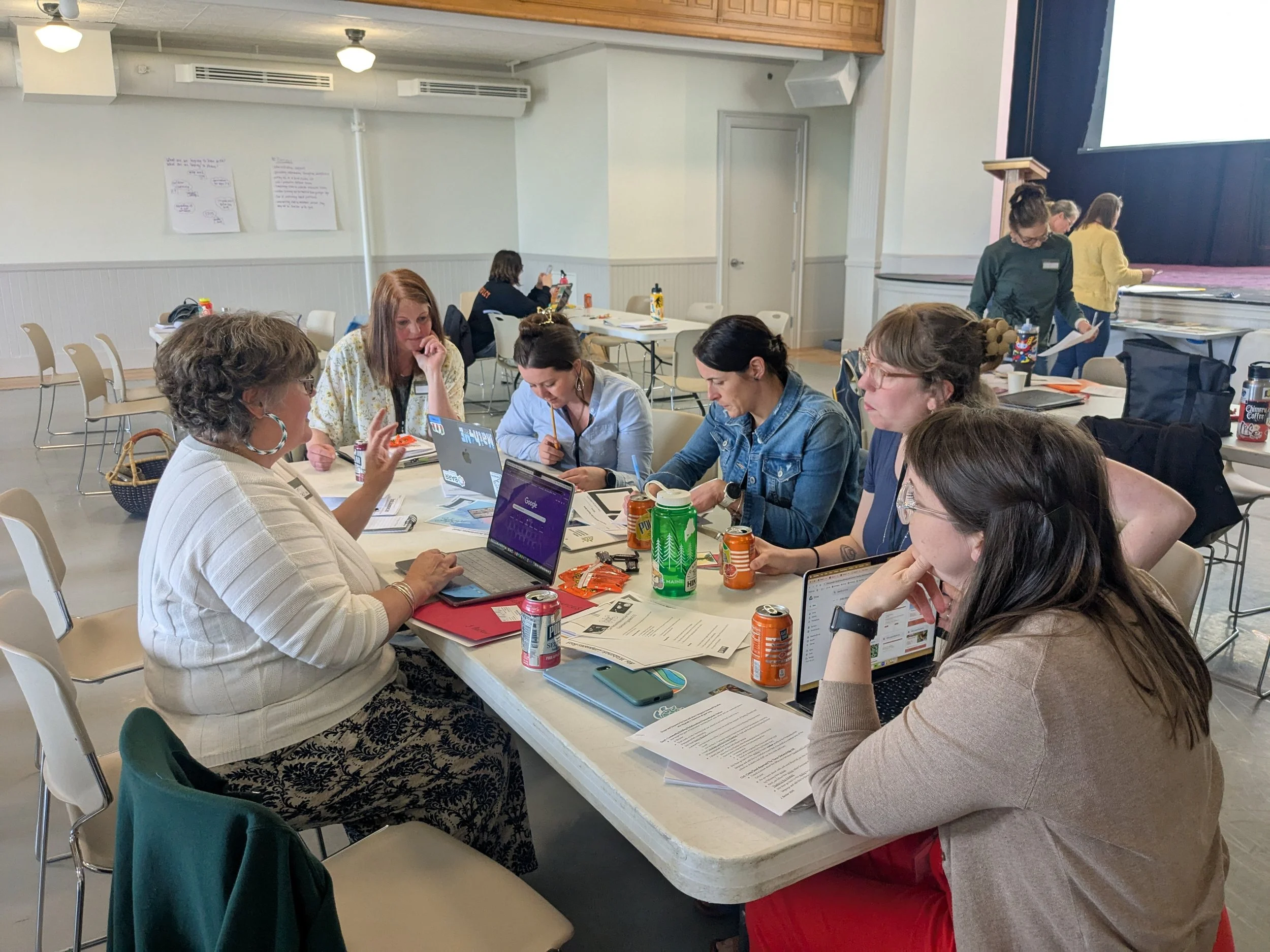
During this workshop series, you will complete two of the DOE’s brand new Wabanaki Studies micro courses alongside Brianne Lolar and other educators from across the state, experiencing new learning in both an independent and guided environment while earning contact hours. The focus of these workshops will be two micro-courses: Essentials for Teaching & Learning Wabanaki Studies and Climate Education and Wabanaki Studies. Topics you will learn about include:

Topics you will learn about include:

Understanding Wabanaki Studies Legislation and Its Significance

  • Identifying Gaps and Challenges in Current Implementation

  • Understanding Your Place in the Wabanaki Studies Journey

  • Best Practices in Teaching Wabanaki Studies

  • Advocating for and Sustaining Wabanaki Studies in Schools

  • Who Are Wabanaki?

  • History of Dawnland

  • Wabanaki Worldview: Understanding The Implications & Importance of Relationships

Spring Wabanaki Studies Webinars

Hosted by Wabanaki Studies Education on Wednesdays at 5:30pm ET

January 21: Brianne Lolar - Wabanaki Studies in 2026
January 28: Kaya Lolar & Sage Phillips - Wabanaki Youth & Policy
February 11: Suzanne Greenlaw
March 4: John Neptune
April 1: Bonnie Newsom - Swordfish in Past Wabanaki Lifeways
April 8: Maulian Bryant - Wabanaki Alliance
April 29: Kaya Lolar, Sage Phillips, and Youth
May 6: Dwayne Tomah - Wabanaki Languages
May 13: Apemesim Galipeau
Date TBD: Jayla Altavter
Date TBD: Roger Paul

Register here

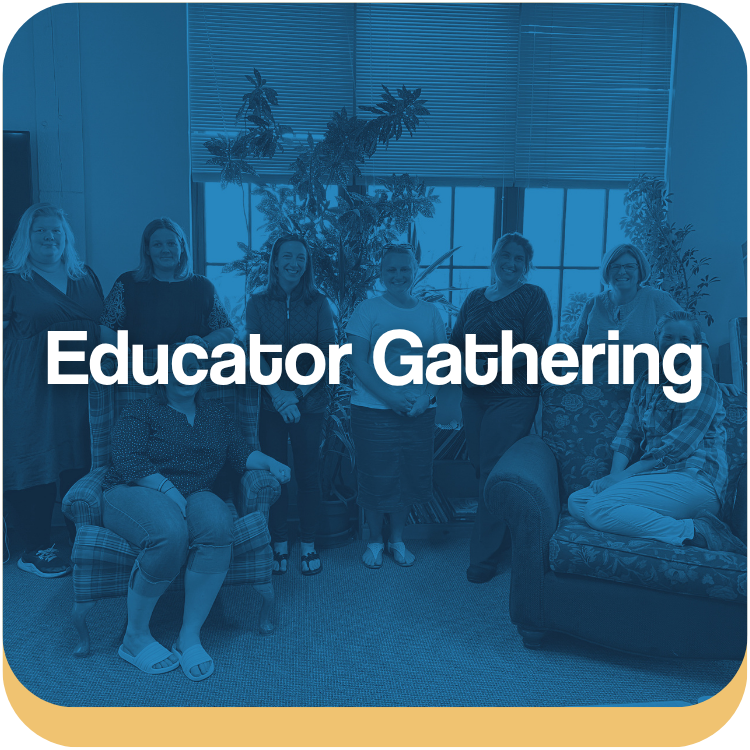
Additionally, you will have the chance to connect with other educators in your area at two in-person gatherings where we will debrief, share ideas, lessons, and resources to guide us all in the future of Wabanaki Studies education.

Once you have registered you will receive detailed instructions on how to access the micro-courses. We will have in person and virtual opportunities to gather, process and apply the learning you do independently as a part of the course. If you have already completed all or part of any Wabanaki Studies micro courses, please feel free to join us again to continue your study or complete an additional course. 

Maximum Capacity: 35 people at each in person gathering (first come first serve).
Participants can receive up to 24 contact hours and a $50 travel stipend. Snacks and refreshments will be provided.


For questions about content please contact:
Bri Lolar:
Brianne.Lolar@maine.gov For questions about logistics please contact Anna Sommo: anna@meeassociation.org.

This material represents a continuing collaborative effort between the Wabanaki Nations, Indigenous and non-Indigenous educators, districts, and other organizations.

Wabanaki Studies is the #1 topic that Maine environmental educators say they need more support to teach to their students. We’ve served over 350 educators so far in Hinckley, Falmouth, East Machias, Camden, York, Ashland, and Bangor. Want to host a workshop in your community? Email us.

Register here
Register for webinars

Facilitated by Panawahpskek citizens
Brianne Lolar, Wabanaki Studies Specialist, Maine DOE
Kaya Lolar, Policy and Wabanaki Studies Coordinator, MEEA

Looking for funding for your Wabanaki Studies project?

MEEA’s Mini Grants for Outdoor Learning provide up to $1,500 to public school teachers in Maine for outdoor learning and Wabanaki studies projects. Applications open every September. 2025-26 grant cycle is closed. The 2026-2027 grant cycle opens in September 2026.

Learn about mini grants

Wabanaki Studies Outdoor Education Projects

Wabanaki Studies Resources

A great starting point in your Wabanaki studies journey. This guide supports educators in transforming the way we work with and support Indigenous and non-Indigenous children and families.

Grades K - 12 educator guides to support learning about topics such as languages, economics, civics and government, outdoor learning, and more.

Wabanaki Studies learning modules for Pre-K through 12th grade.

Info about the creation and implementation of the Wabanaki Studies law (LD 291) that requires all Maine schools to teach Wabanaki studies. Plus additional resources.

A non-exhaustive list of Wabanaki educators for hire to guest speak at schools and in communities.

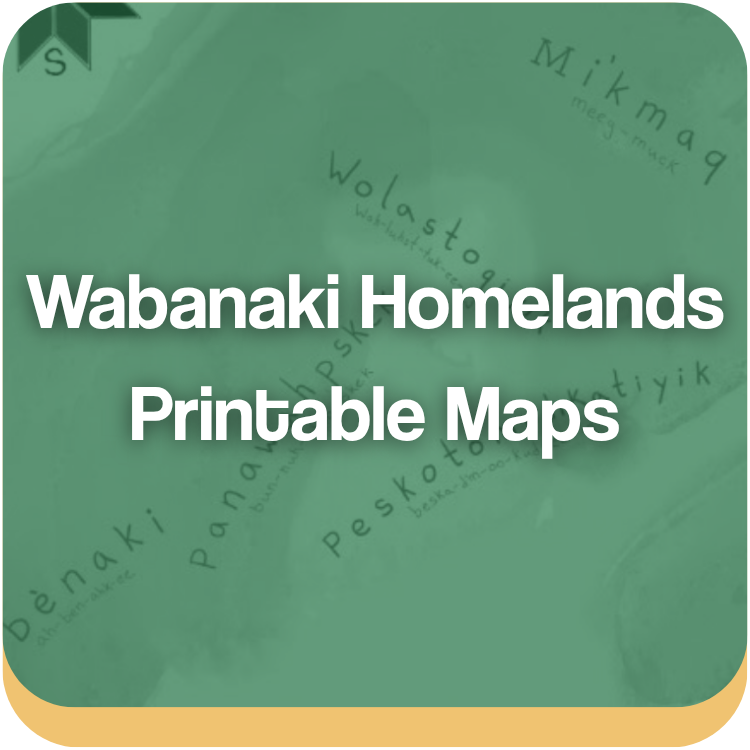
A map showing the ancestral homelands of the Wabanaki Nations, including a blank version and a version with names and pronunciations.

This website explores current climate impacts around us in Maine through Two-Eyed Seeing, which weaves climate science and Indigenous Traditional Ecological Knowledge together. Created by Mi’kmaq educators and Maine Climate Action NOW.

Project-based Learning Modules by Grade Level

Wabanaki educators and community members have created a multitude of Wabanaki Studies resources for all grade levels and subject areas. MEEA is committed to ensuring teachers utilize them in their classrooms to meet the Wabanaki Studies requirements. Below are modules available for use through the Maine Dept. of Education’s MOOSE Wabanaki Studies Learning Progression.

Click the plus (+) sign to expand the Grade Level MOOSE Module and learn more about each lesson.

  • View PreK-2 MOOSE Module here. This module introduces the five Wabanaki Nations and their languages. Learners will gather a better understanding of the people that lived here first and that they are still a strong, vibrant part of what is now called Maine.

  • View Grade 3-5 MOOSE Module here. This module explores writers, storytellers, basket makers, and other artists that are using their voice to bring awareness to environmental issues that the Wabanaki Nations face today. Students will be empowered with the tools they gain to use their own voice to encourage others to better care for the spaces around them.

  • View Grades 6-8 MOOSE Module here. In this module learners will increase their own awareness of becoming a steward of our water while conserving and preserving our planet’s water supply, especially in what is now called Maine.

  • View Grades 9-12 MOOSE Module here.

    "How can I partner with Wabanaki conservationists to work towards the healing of our environment? How are some of these issues negatively impacting what is now called Maine and the Wabanaki way of life?"

    As you embark upon this journey, you will reflect on your learnings about the past, and present issues of environmental harm in what we all call home. Through poetry, art, and journaling you will express your voice as a way to honor our environment. Reflecting on your learning journey throughout the module, your voice can continue to be heard when you reach out to legislators, nonprofit groups, or other groups calling others to action. In this way, you will become allied with the Wabanaki conservationists you learned about. By reaching out to stakeholders, you will have the opportunity to impact our state as informed and engaged changemakers.

  • View Grades 9-12 MOOSE Module here.

    What does community mean to you? How can communities strengthen us? How can communities strengthen others communities? How we learn from other communities? What is the importance of community in Wabanaki Nations in today's world? 

    In this module, you will learn how the Wabanaki people holistically approach their community, self, and environment, and how this approach can benefit all. Hopefully, this journey will inspire and empower you to create positive change. 

    As you explore this module, you will focus on answering the questions, "How has my exploration of Wabanaki communities changed my perception of the world I live in?" and "How can I use this new knowledge to help others?" 

  • View Grades 9-12 MOOSE Module here.

    In this module, you will spend some time researching Wabanaki culture to deepen your understanding of this interconnected, yet mutually beautiful, relationship between place and identity. Much of who the Wabanaki are has been shaped by where they live. This module will have you exploring geographic features, their names, and their connection to the Wabanaki and Mother Earth -- all of this to impact future generations and their understanding of identity and place!

  • View Grades 9-12 MOOSE Module here.

    The Wabanaki, the People of the Dawn, were born when Gluskabe shot an arrow into an ash tree and the people stepped forth from the trunk. Gluskabe then taught them how to weave strips of wood from the tree into baskets. The Wabanaki were born from, and into, this fine art.

    In this module, we’ll examine the artworks of five Wabanaki artists: Gina Brooks, Wolastiqiyik (Maliseet) painter and illustrator; Jeremy Frey, Peskotomuhkati (Passamaquoddy) basketmaker;  Tim Shay, Panawahpskek (Penobscot) sculptor;  Alan Syliboy, Mi'kmaq painter and animator; and Mali Obomsawin, Abenaki musician. These five artists draw on traditions and imagery from Wabanaki culture to create their art.

    After getting to know the five artists and their artworks, you will branch out to discover more hidden talents in the Wabanaki art world and bring awareness to their beautiful and powerful art.

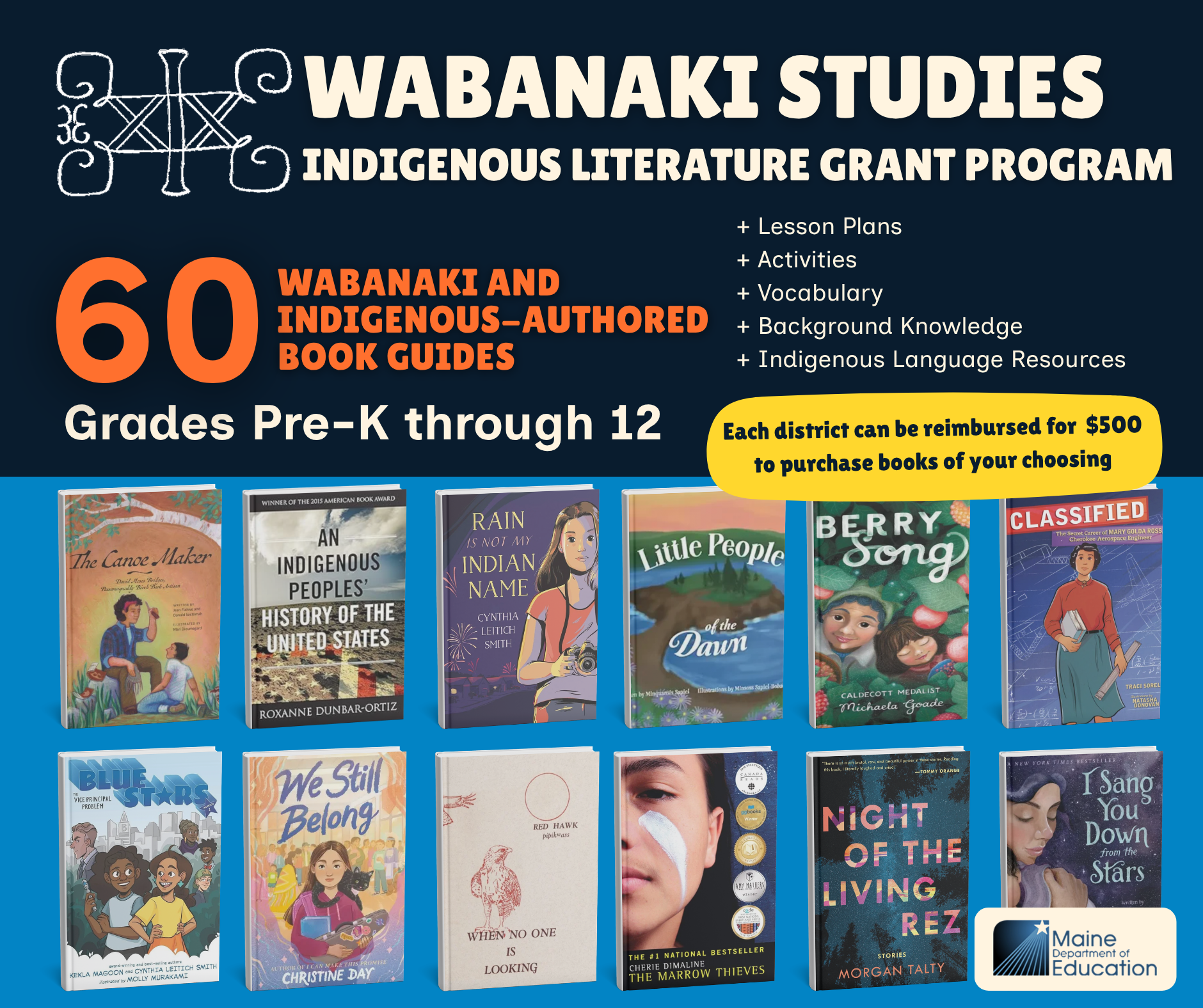
Book Recommendations

Check out this list of books and resources compiled by Panawahpskek citizen Brianne Lolar, including Wabanaki books, Indigenous (non-Wabanaki) resources, and books to avoid using.

View Book List

Wabanaki Studies Project Ideas

Below are suggestions from Brianne Lolar, Wabanaki Studies Specialist and Panawahpskek citizen.

Quotes from Educators

  • “My intention to attend the Wabanaki Studies workshop was for the purpose of supporting those instructing Indigenous students.  The importance of cultural sensitivity and respect should be impressed on all those looking towards a career in education.  The class exceeded my expectations.  I found the instructors approachable and sincerely focused on sharing their extensive knowledge.  As part of support staff working with young tribal members, my comfort level has been strengthened.”

    Amy Hodgdon, Ed Tech III, Washington Academy High School

  • “The Wabanaki Studies workshop was a gift that we have all needed for a very long time. The schools I work with are extremely grateful for the vast amount of information as they integrate and teach Wabanaki Studies curriculum. The work that went into the development of the huge body of resources is both impressive and incredibly helpful for us all. Thank you, Brianne Lolar, the Wabanaki Studies team, and Wabanaki team of Advisors for your leadership and thank you, MEEA for sponsoring the workshop.”

    -Anne Stires Educational Consultant & Affiliate Faculty, Antioch University

  • Wabanaki history precedes Maine history. You cannot adequately teach Maine history without first knowing Wabanaki history. The law was enacted twenty plus years ago. It’s time it be implemented in every school in Maine.

    Wendy Newell Dyer Teacher and Passamaquoddy citizen

  • From the students' perspective, partnering with Wabanaki advisors is essential. Where I teach, I have children in my room who are citizens of the Penobscot nation every year. Having avenues to meet people and make community connections helps to ensure that I am creating a positive and culturally affirming learning environment for these students.

    Matthew Pascucci English Language Arts High School Teacher

  • I remember in early PD sessions I did attend, Brianne supported educators' efforts by saying it's okay to make mistakes. She would emphasize that we were all learning. I love the way she emphasizes learning beside and with your students.

    Grace Cain Ed Tech III - Academic Intervention

  • Teachers in our school are eager to integrate Wabanaki learning into all aspects of their curriculums to reflect this rich history, but are fearful about cultural appropriation or "getting it wrong." Unfortunately, the response to this fear in the past has been to avoid integrating Wabanaki learning altogether. This is an issue of capacity. Brianne Lolar and her fellow educators have made it possible to build this necessary capacity.

    Wabanaki Studies Workshop Participant

  • "As a non-native, I had no idea where to start with the teaching of Maine curriculum / Wabanaki Culture. I chose to pilot the curriculum for the Wabanaki studies. It helped me make a connection with my Wabanaki students and my non-native students. To see them interact and enjoy learning about the culture was a wonderful site to see."

    Heather Bowles Teacher

  • "Our school serves the Passamaquoddy community in Perry, Maine, and we still need resources to support the teaching of Wabanaki Studies across all content areas. Every educator benefits from having access to specialists and resources through the state dept. of education. "

    Ann Cannizzaro Educator

  • Not until I attended a workshop put on by Brianne and Kaya Lolar on Wabanaki Studies last year, had I received materials specifically designed to educate my students on the role of the Wabanaki for tens of thousands of years, in the land we now call Maine. Since teaching Wabanaki Studies has been a requirement for nearly twenty-five years, I felt incompetent as an educator in this regard because the efforts in bringing about its implementation had been neglected, leaving teachers ill-prepared. Without the efforts of Brianne, Kaya, and the team I would not have been able to create the curriculum I have for a course in Wabanaki Studies at Cape Elizabeth High School.

    Michael Young Teacher, Cape Elizabeth High School

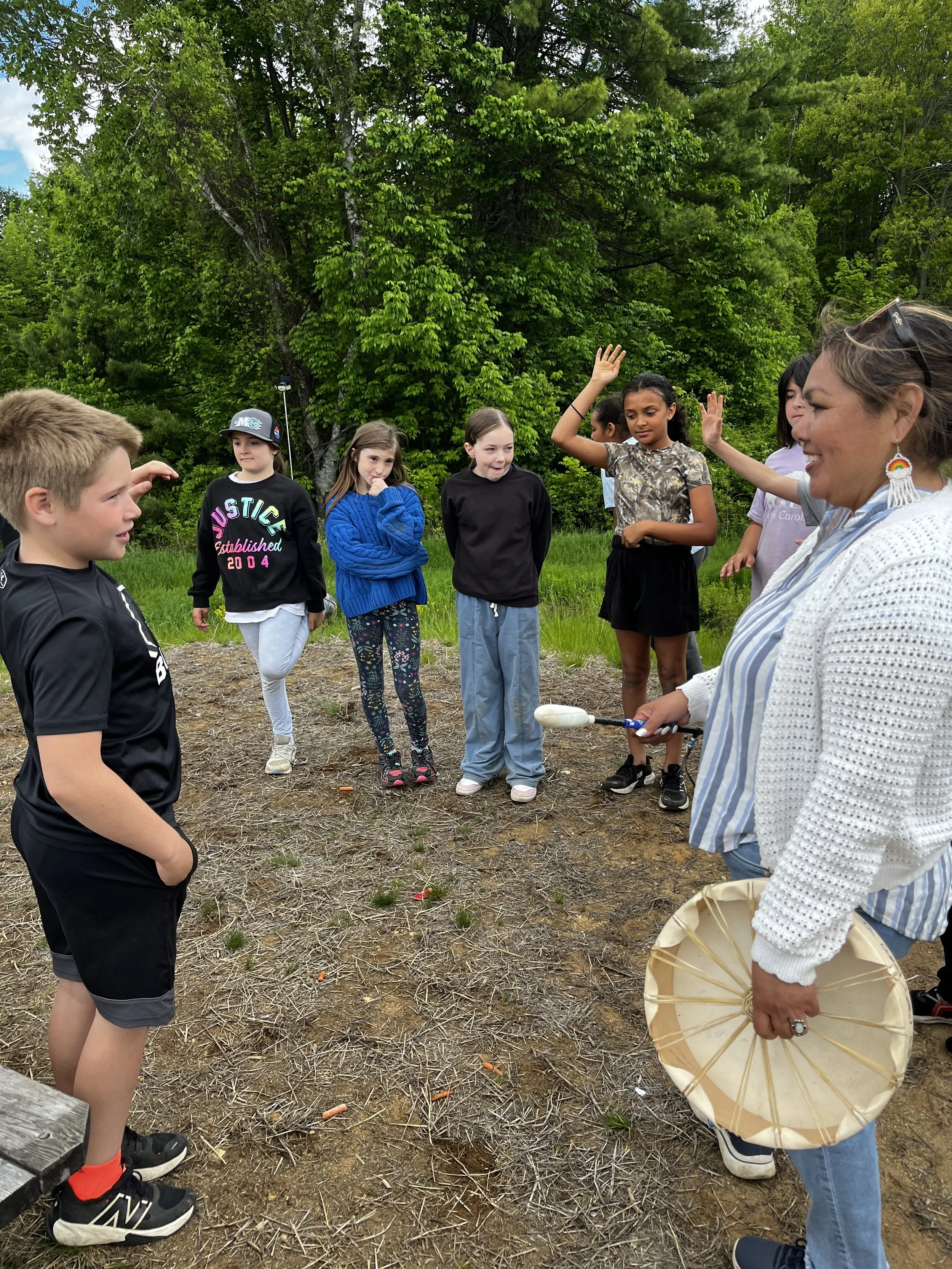
  • When teaching a Wabanaki poem in a grades 3 & 4 performing arts class, I reminded the students that Wabanaki peoples and cultures are living and thriving to this day. While many students were surprised by this, one student raised his hand. When called on he said "yes, we are still here. I am Penobscot, and I am here."

    Anonymous Educator