

SUPPORTING EDUCATORS
Wabanaki Studies Resources
Wabanaki Studies Project Ideas
Below are suggestions from Brianne Lolar, Wabanaki Studies Specialist and Panawahpskek citizen.
Wabanaki Studies Interdisciplinary Starter Kits: In kits: binder (educators guide, etc.), hands on materials, posters, laminated info cards, books. Online: videos, educators guides, printed materials
Maple syrup unit: with interdisciplinary curriculum
Collaborate with Wabanaki language sharer: Create signage for school gardens, outdoor classrooms, etc.
Outdoor games and activities: Purchase snow snakes to use with a Wabanaki advisor in the winter with an interdisciplinary curriculum.
Three Sisters Garden: Plant a school garden with these interdisciplinary curriculum options.
First Blade of Sweetgrass: Create a story walk with your students using the book First Blaid of Sweetgrass.
Invite a Wabanaki advisor in for nature poetry exploration
Plants: Vital Members of the Wabanaki Community: Make a medicine path in collaboration with interdisciplinary learning.
Journey through the Dawnland: This scavenger hunt invites students to visit locations across Wabanaki homelands and answer questions to learn more about Wabanaki history and culture.
Wabanaki Studies In Nature: Nature journaling prompts and exercises.
Ash Tree Protection Across Wabanaki Homelands: Use in learning about the Emerald Ash Borer
These Wabanaki Studies projects were funded through MEEA’s Mini Grants for Outdoor Learning Program.
-
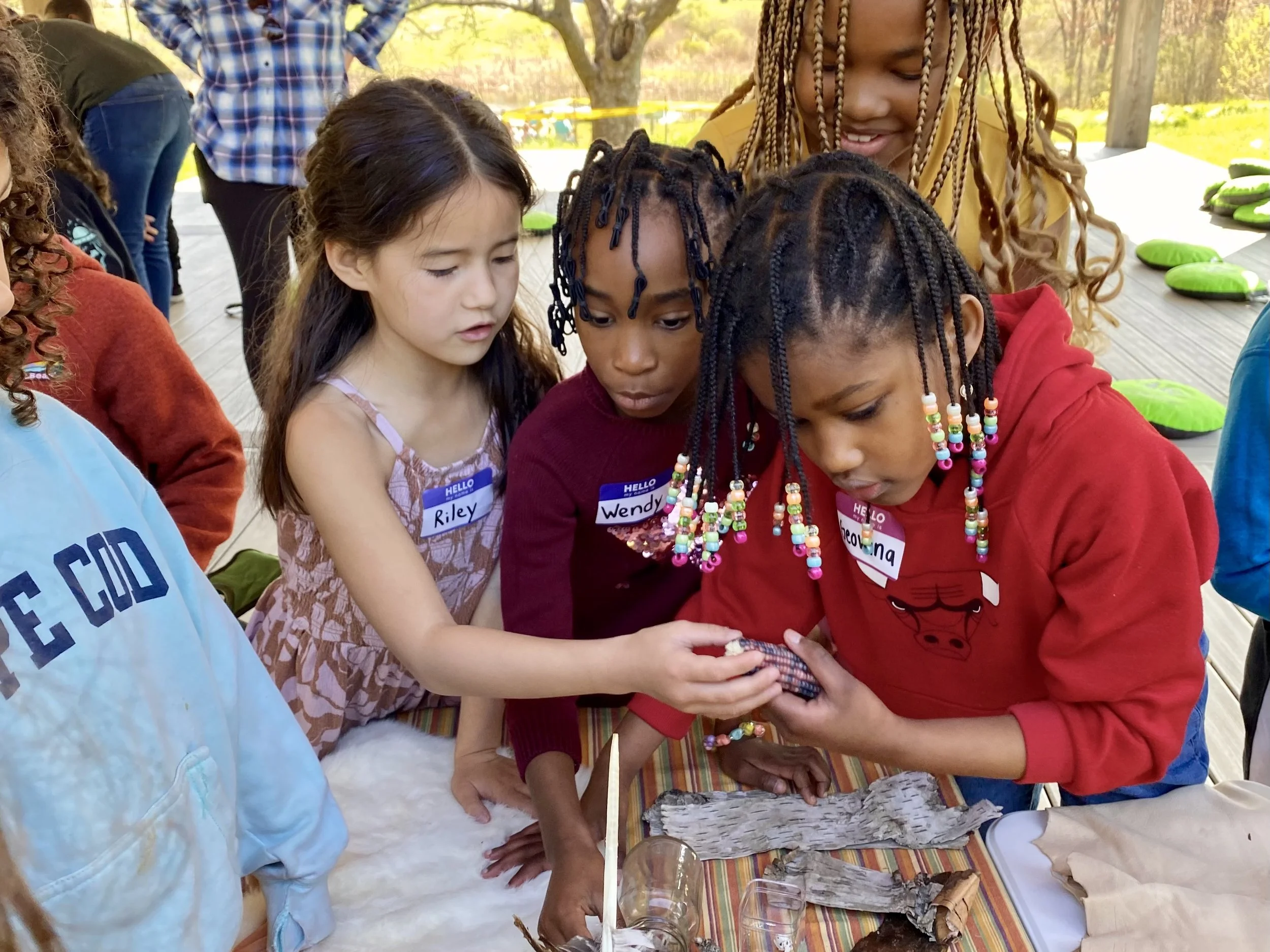
Portland Public School students during the Wabanaki, Life Science, and Experiential Learning Units K-2
-

Washington Academy student during a lesson that makes connections between Wabanaki basket making and the threat posed by the emerald ash borer.
-

5th grade students from the Guy E Rowe School engaging in a tree identification and Wabanaki Studies lesson at Roberts Farm, an experiential learning farm of the Oxford Hills School District.
-

5th grade students from the Guy E Rowe School engaging in a tree identification and Wabanaki Studies lesson at Roberts Farm, an experiential learning farm of the Oxford Hills School District.
-
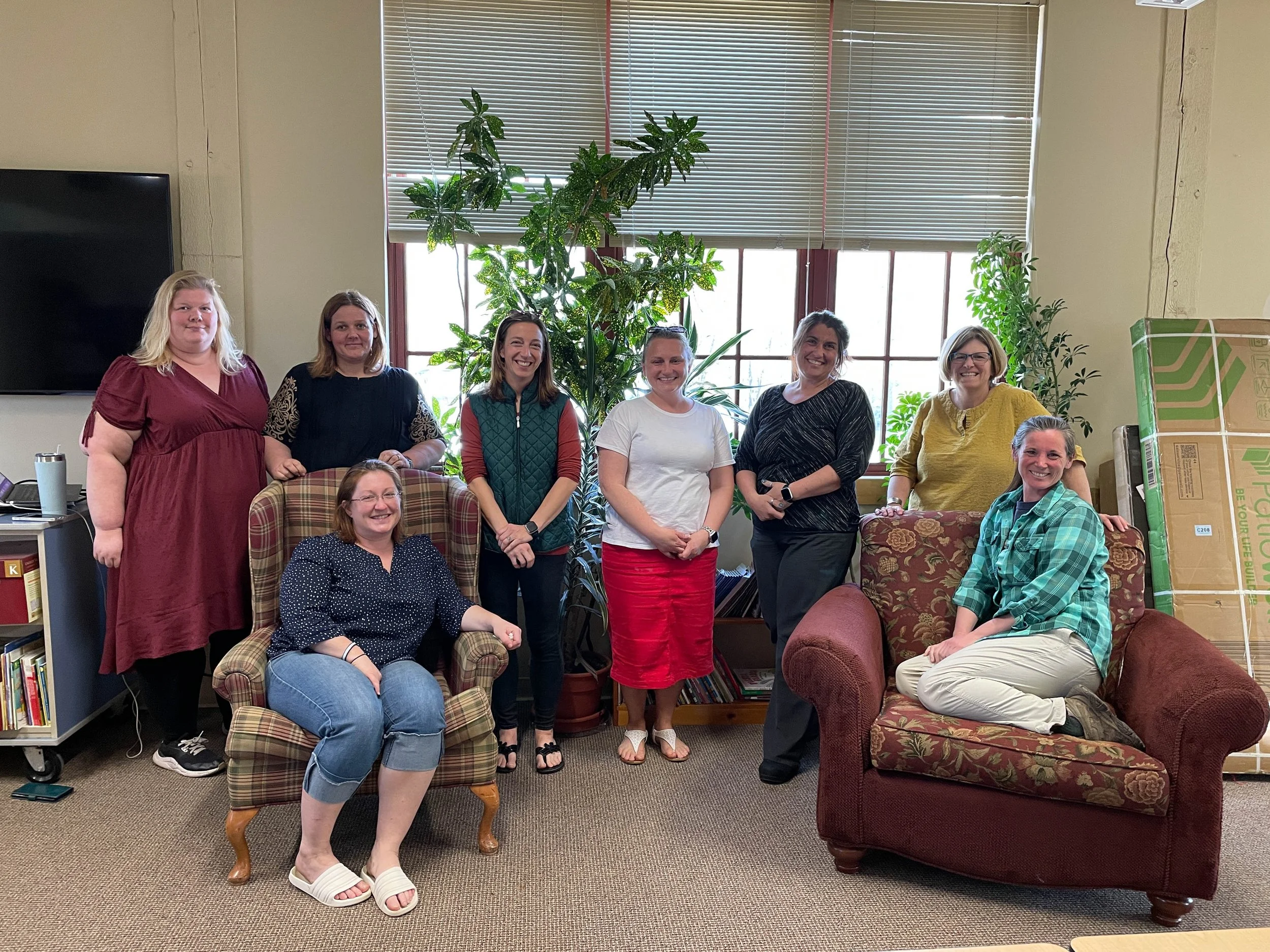
Oxford Hills teachers participated in a month-long professional learning experience on integrating Wabanaki Studies into outdoor and experiential learning curriculum.
-
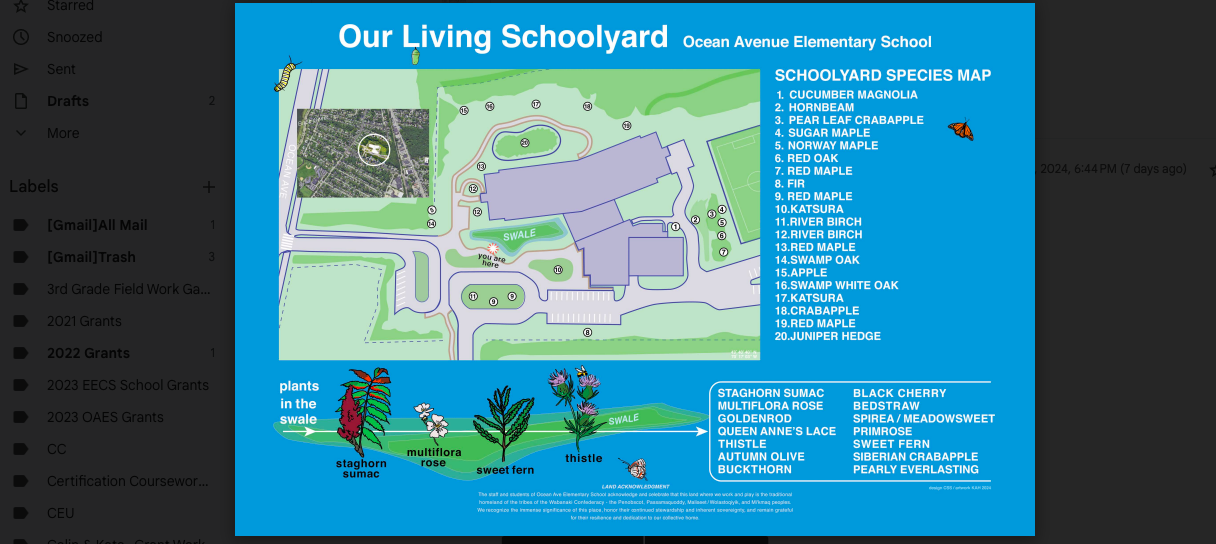
Ocean Avenue Elementary School created a schoolyard map with permanent signage for staff and families to understand what tree species exist in the schoolyard to support the school's Wabanaki Studies curriculum.
-

Amanda C. Rowe Elementary students studying phenology (seasons) as part of Portland Public Schools' Wabanaki Studies and Life Science Curriculum.
-
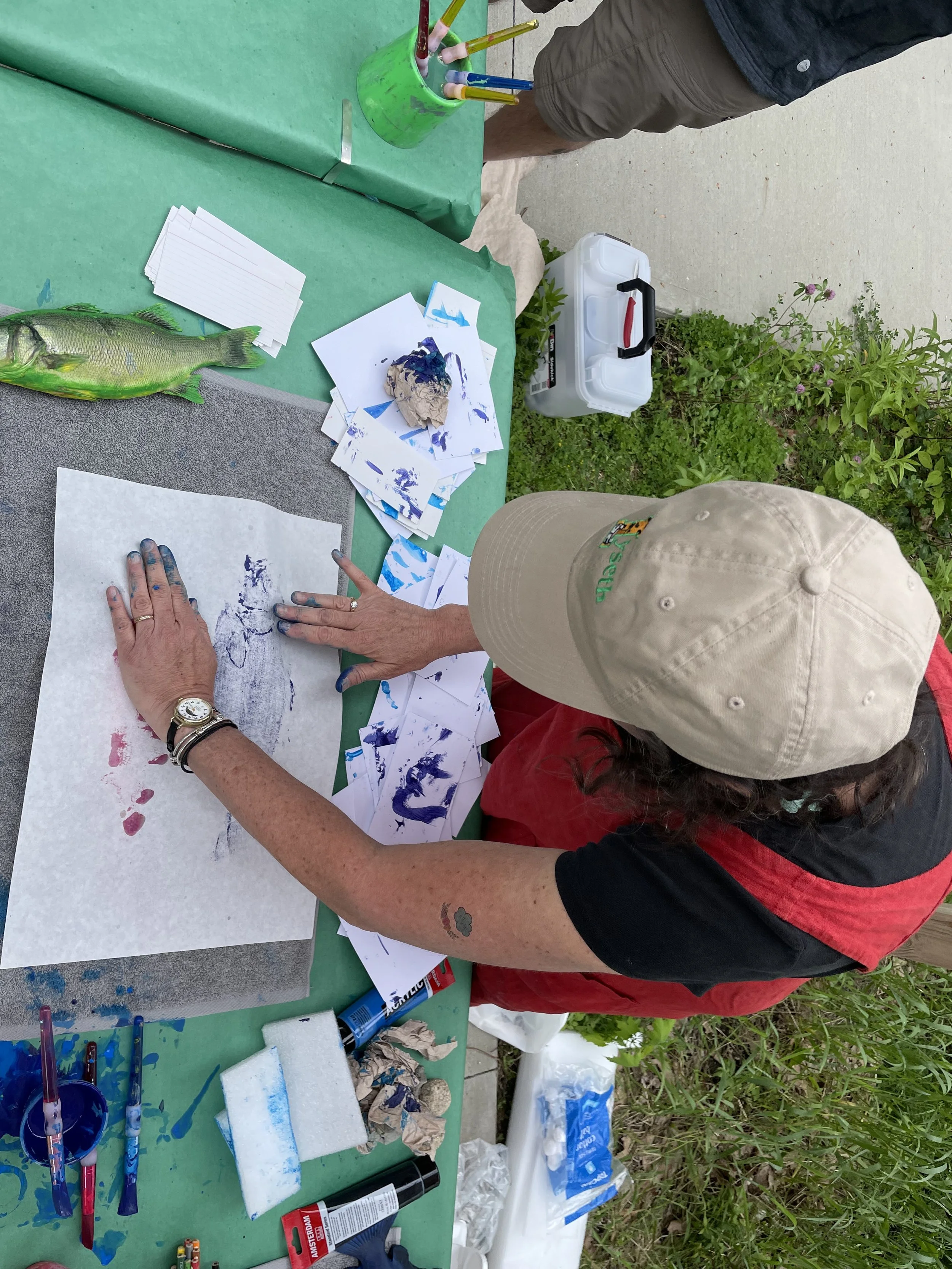
Third graders worked on a project called Take Me to The River. SidexSide drama teacher Gretchen Berg worked with students to create a physical theater performance about the life cycle of salmon.
-
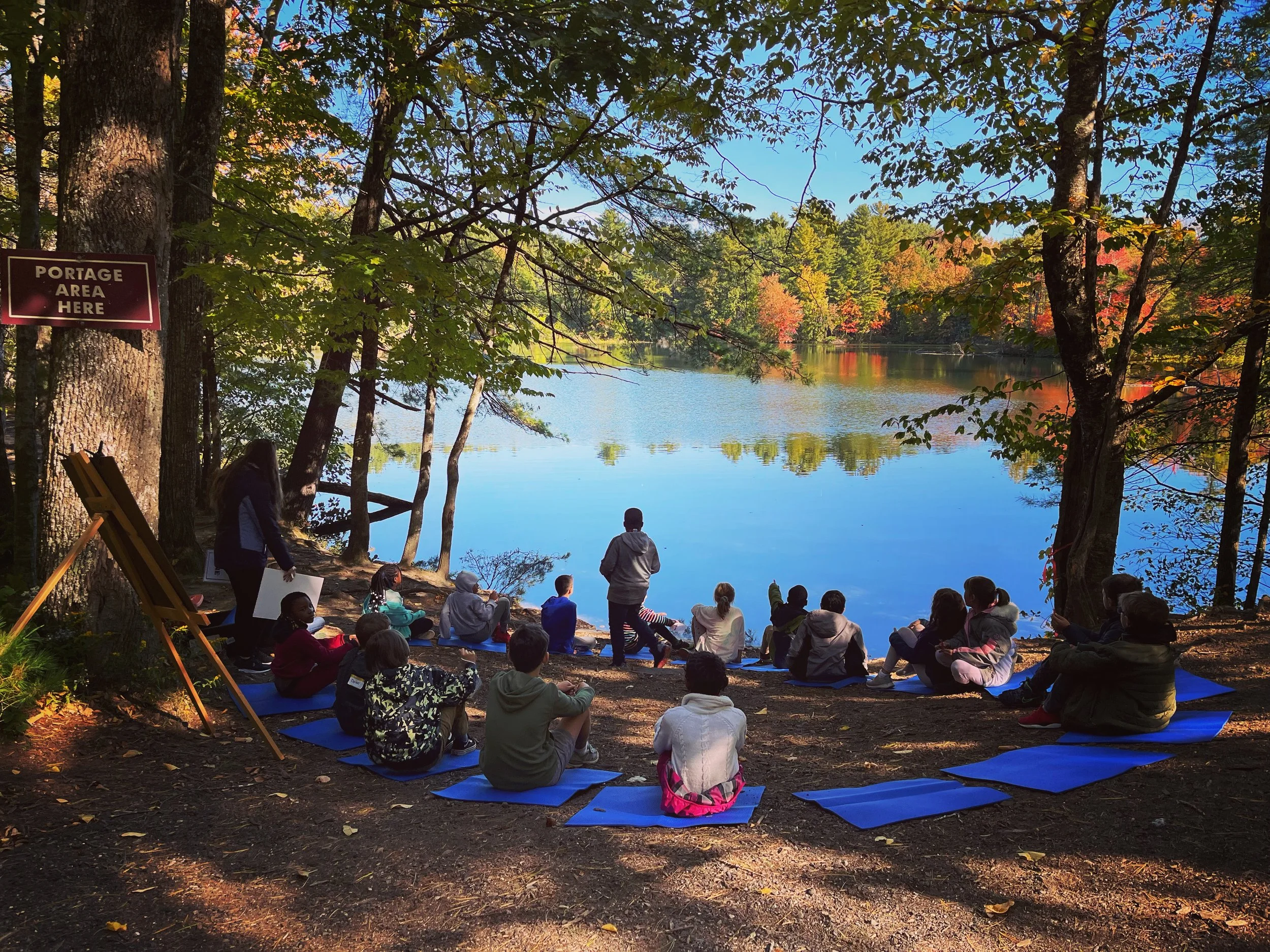
3rd grade students from all PPS elementary schools went on a field work trip to the Presumpscot River as part of the Wabanaki Studies/Life Science unit, designed to help students connect to place and heal from river trauma through safe and meaningful exposure in a group environment of peers.